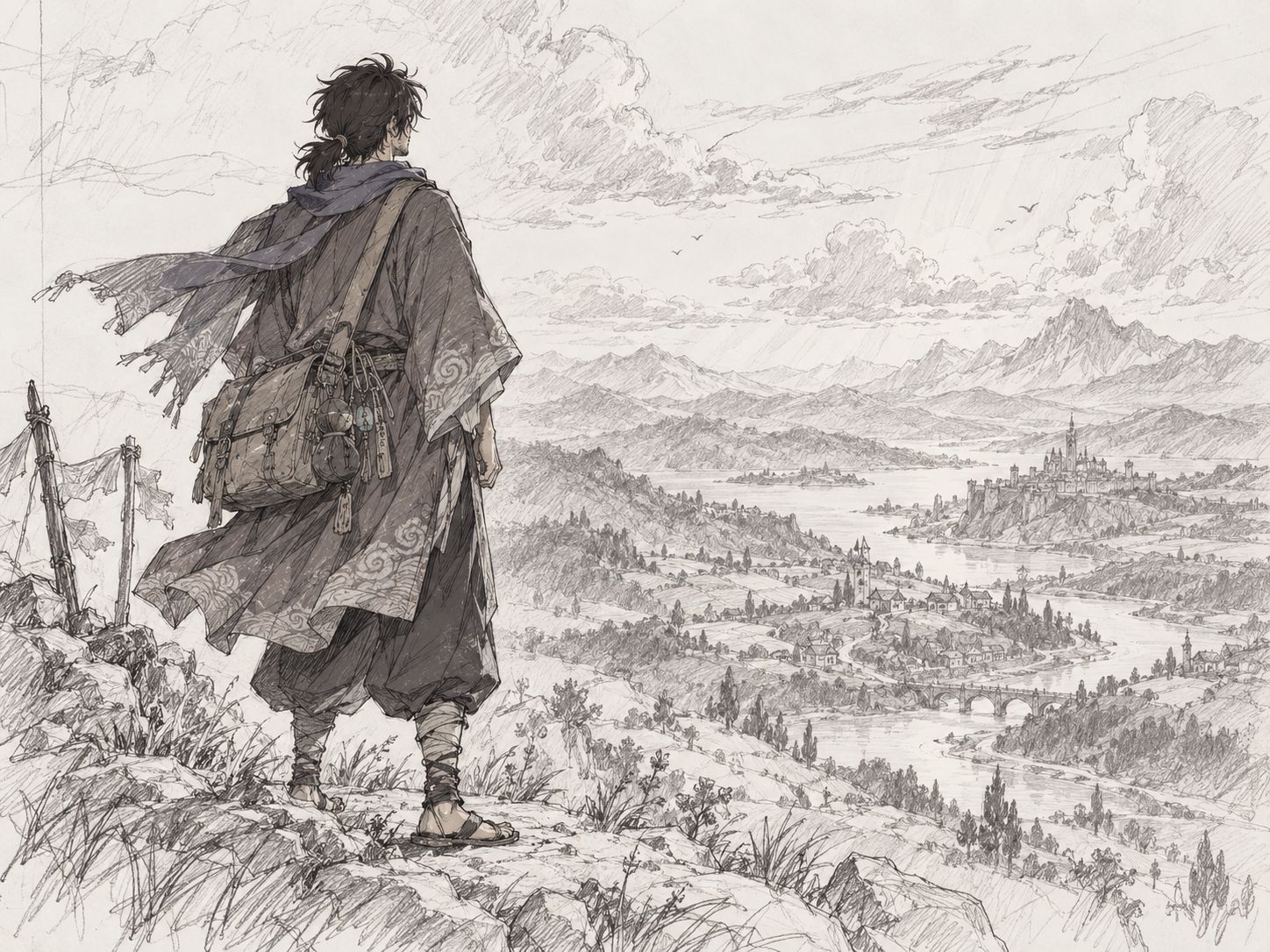
There are two routes between you and a good sale. One is longer; the other cuts through a dangerous stretch. If you look only at the number of days, the choice seems simple. But in Last Road, time, caravan upkeep, and risk are connected, so the shorter route doesn’t automatically win.
The project’s map has a safer, longer main route and dangerous shortcuts. Travel time depends on your transport: a particular road may take a different amount of time by wagon or by mule. That carries your transport choice onto the map instead of leaving it in the starting budget.
A day on the road has a cost
The caravan pays for transport and guards. The travel cost accounts for days on the road and a toll, and it’s charged when you depart. You should know the amount before pressing the button. After a setback, we shouldn’t present another bill for a road you already paid for.
You also need a reserve for one extra day to depart. It isn’t charged in advance, but it gives you room to handle the planned delay. That small detail can change your preparation: if all your money is tied up in goods, your caravan may have nothing left to keep moving.
Home stays on the map
The interface is designed to estimate the return trip by the shortest route and by a route without bandits, if one exists. These estimates matter before the very end. Even during a trading loop, it helps to see what it would cost to stop taking risks and end the trip.
If the game shows only the next profitable destination, it nudges you to continue while hiding the cost of leaving. We want you to see the return choice clearly. Sometimes a profitable market is awkwardly placed relative to home, and you should know that before buying cargo.
Information travels too
Market information describes a particular state. The world keeps producing, consuming, and receiving deliveries while your caravan is on the road. So when you’re weighing a distant opportunity, consider not only the travel cost but also how current your picture of the destination is.
This chapter describes the decisions established for the prototype. It doesn’t promise that every option has passed final human review. A good map should give you reason to weigh your choices: a short, dangerous route saves days; a longer one reduces some of the risk; returning secures your result. When all three have a clear cost, the line between settlements becomes a real gameplay choice.