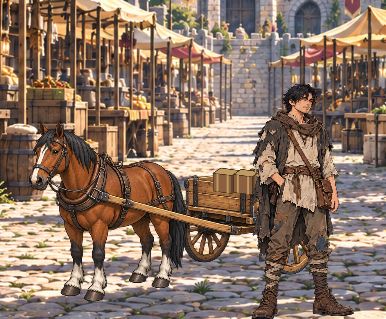
Where we are now: the caravan, market, and trading post
Last Road as of October 11: we’re checking deals and cargo records, developing the trading house story, and searching for the trading post’s look.
ALMOST GG
Stories about the characters, worlds, and rules of our games.
Almost GG Workshop →Last Road as of October 11: we’re checking deals and cargo records, developing the trading house story, and searching for the trading post’s look.
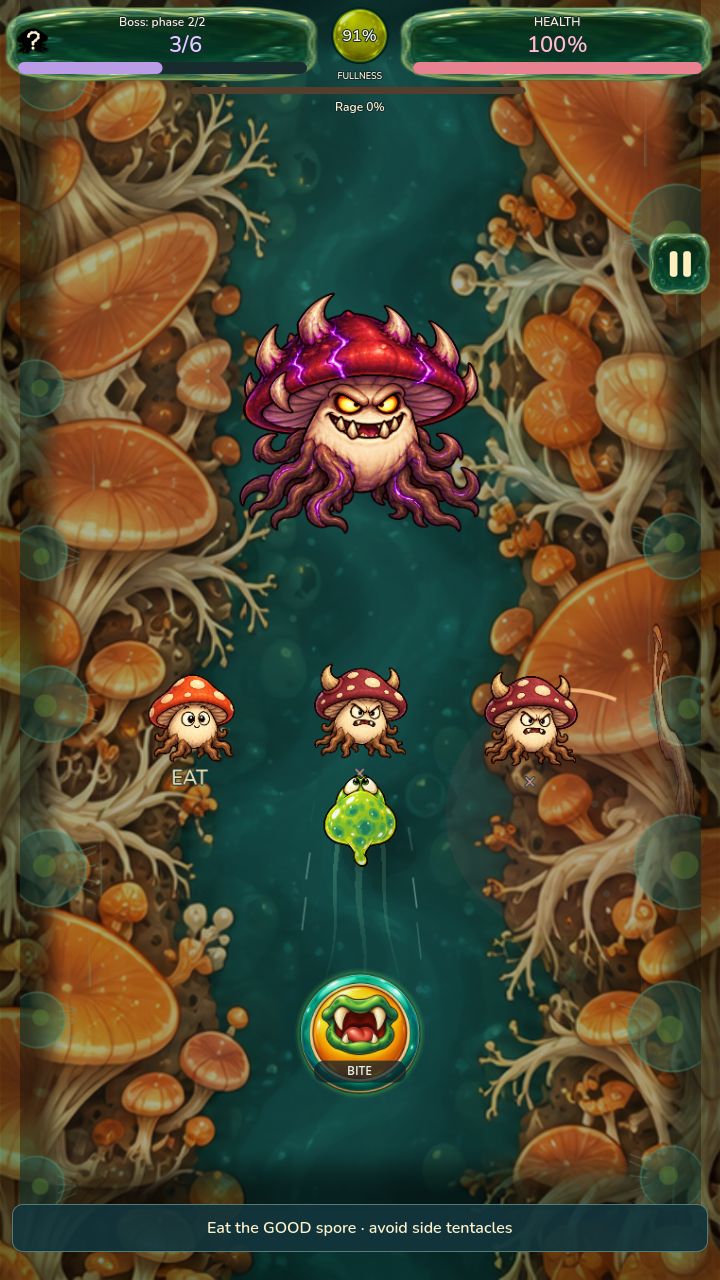
How we reworked the mushroom boss’s second phase: the spores switch places, the charge builds, and you need to find shelter before the blast.
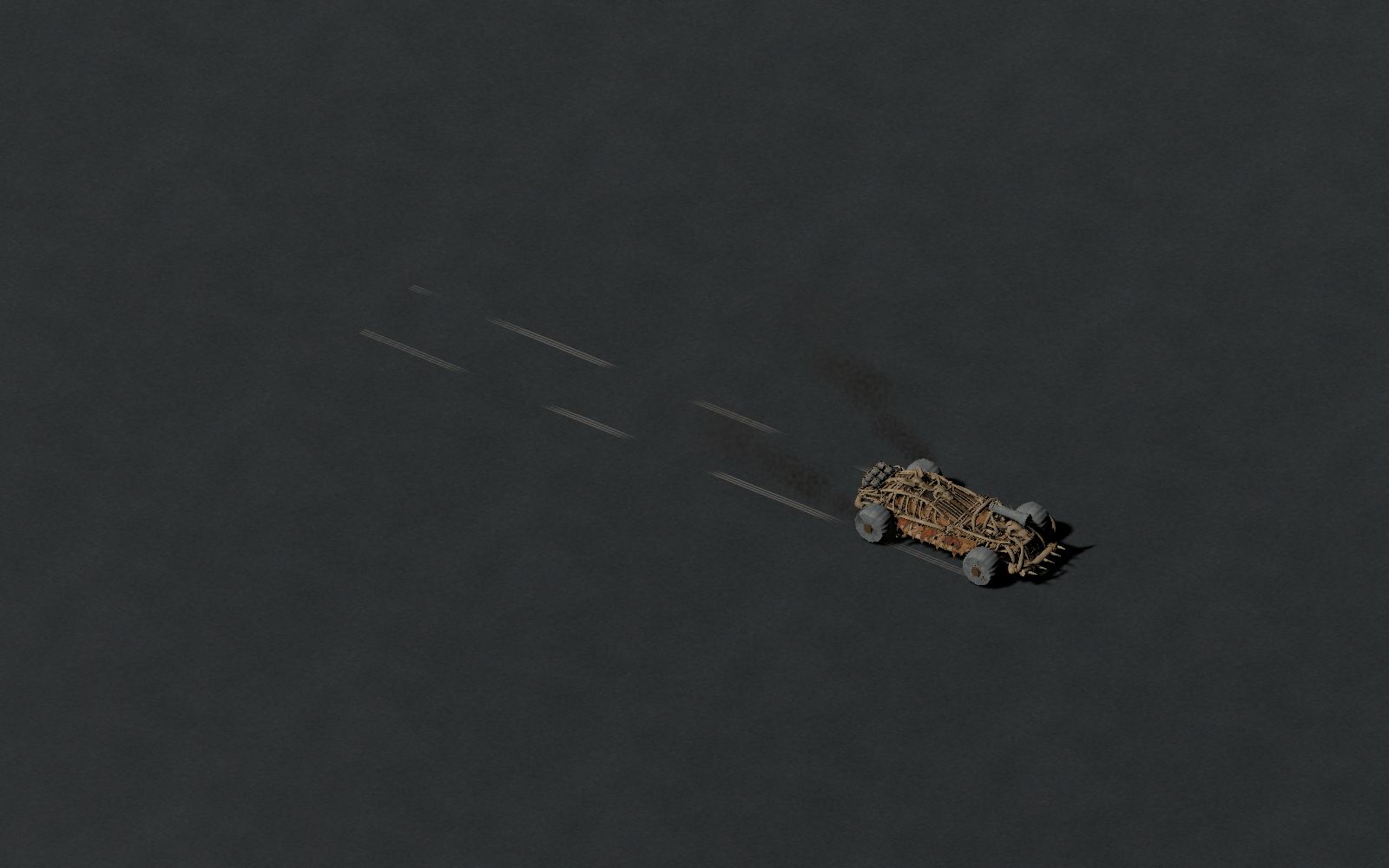
How we tested the bone car in motion: smoke from two exhausts, scratches from stone wheels, and parts restored after repairs.
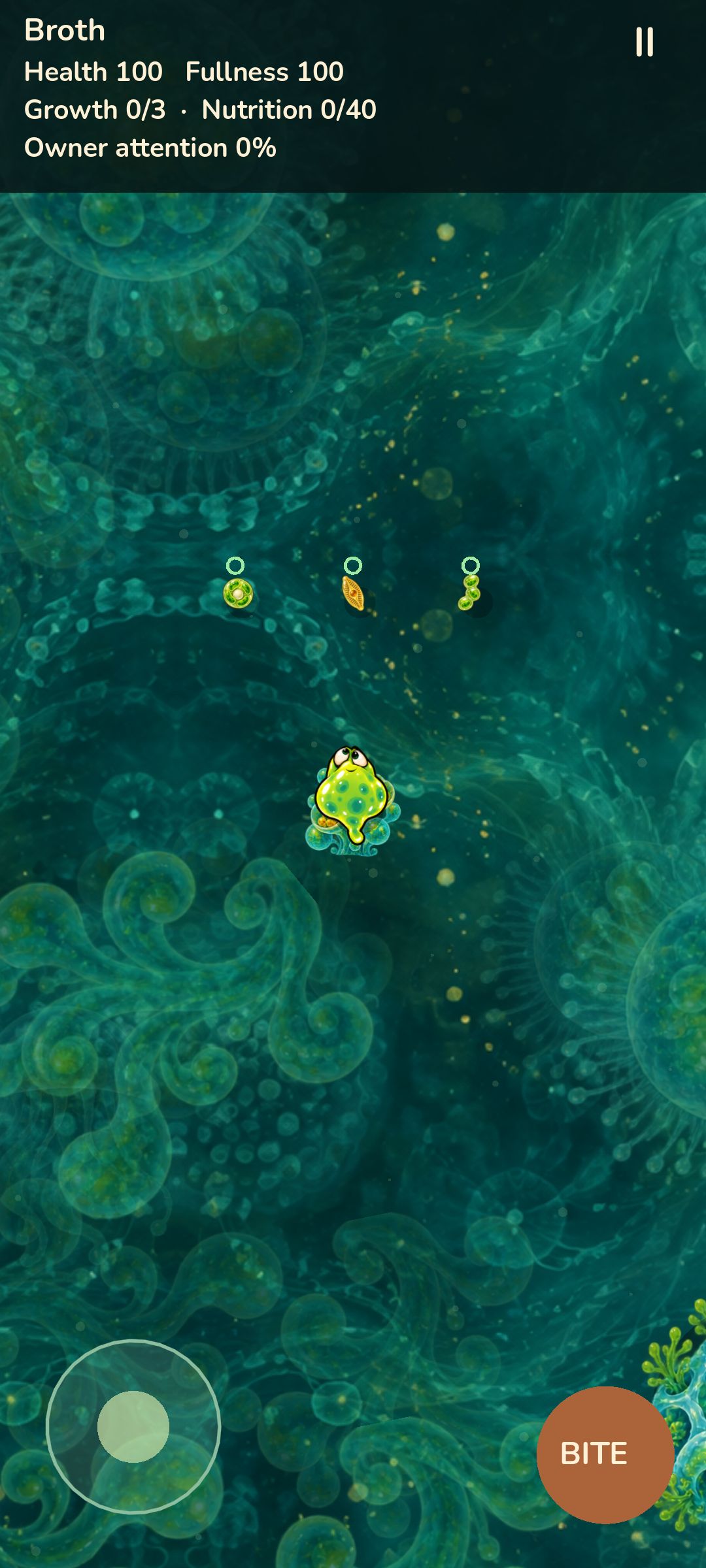
The game grew more complex, but the phone screen didn’t. How feedback helped us spot problems with abilities and the interface.
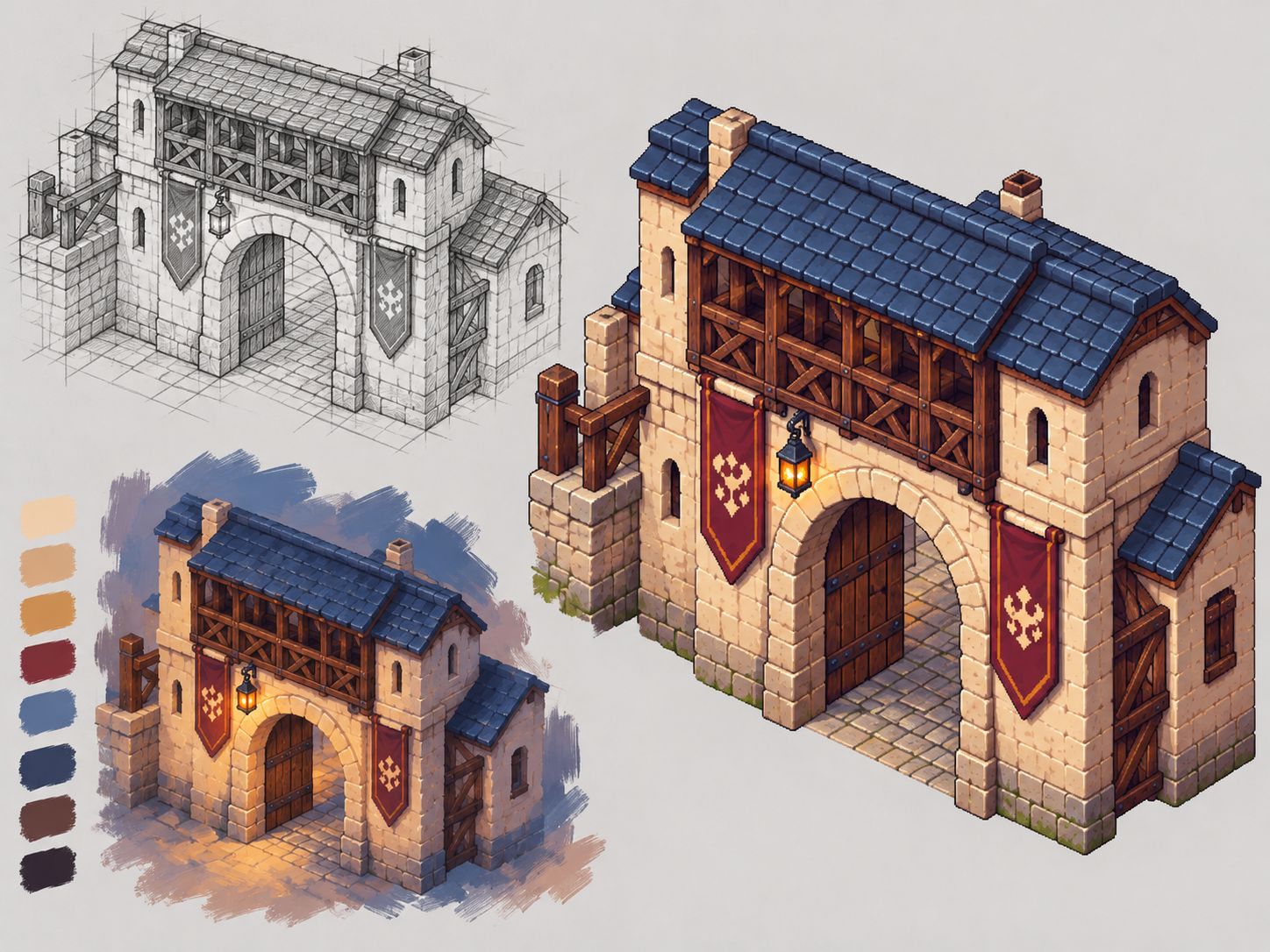
Failed character and interface ideas, a memory of Spice and Wolf, and the search for a look of our own for this trading world.
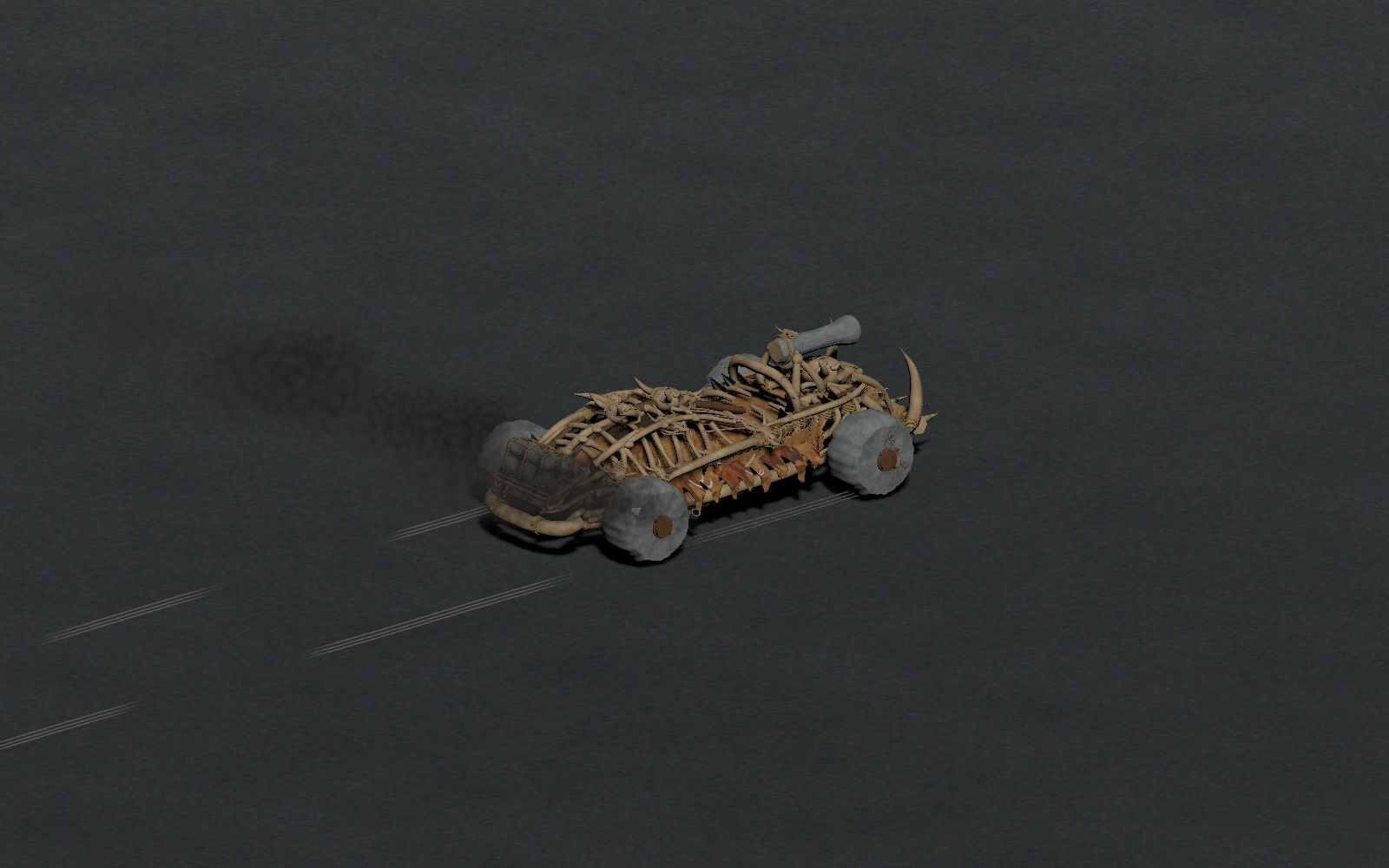
How we toned down the plastic shine, kept the painted markings in place, and added stone-wheel tracks to the road.
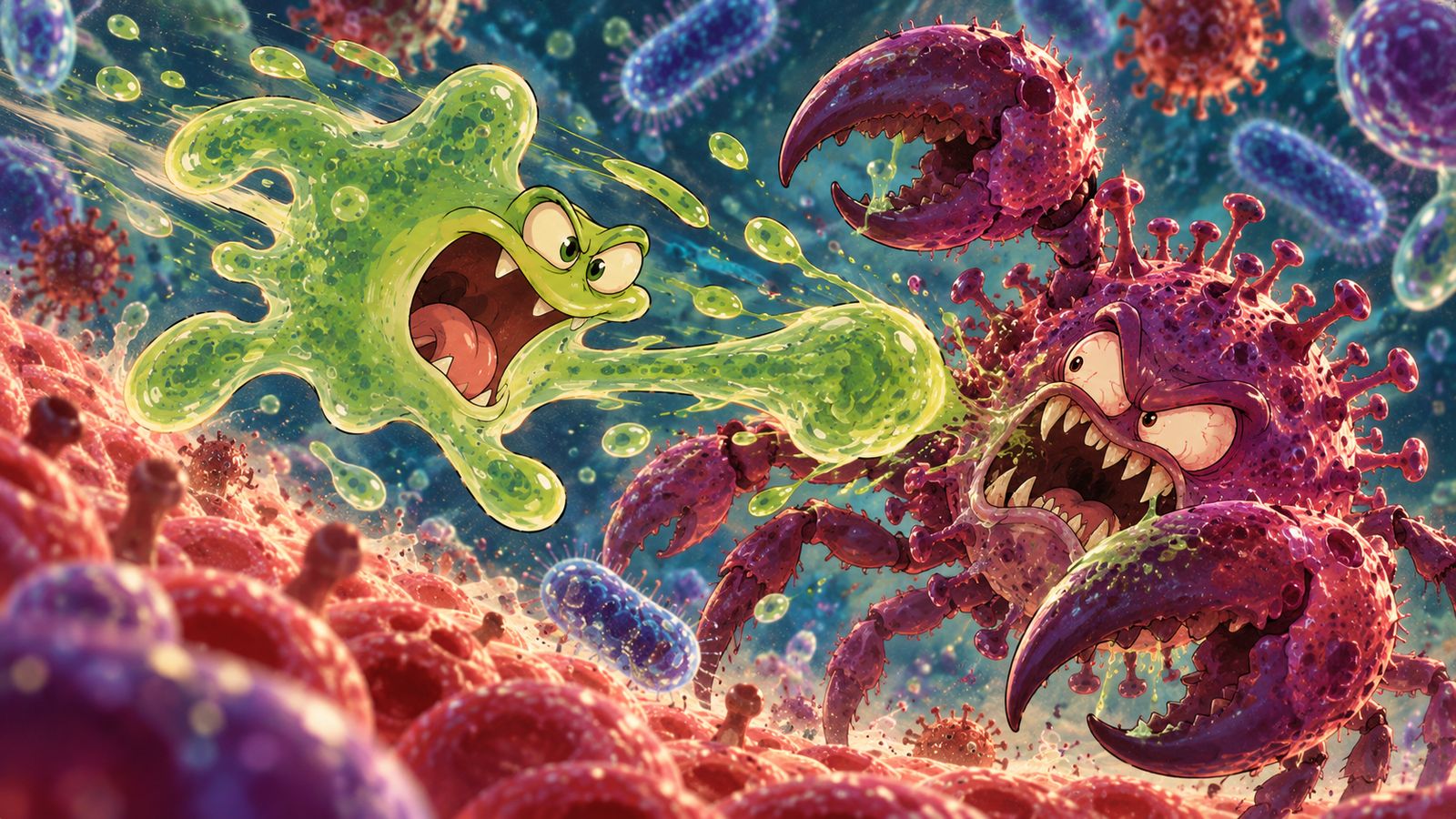
Roots, traps, and a window to bite: how setting up an attack becomes the main challenge in a boss encounter.
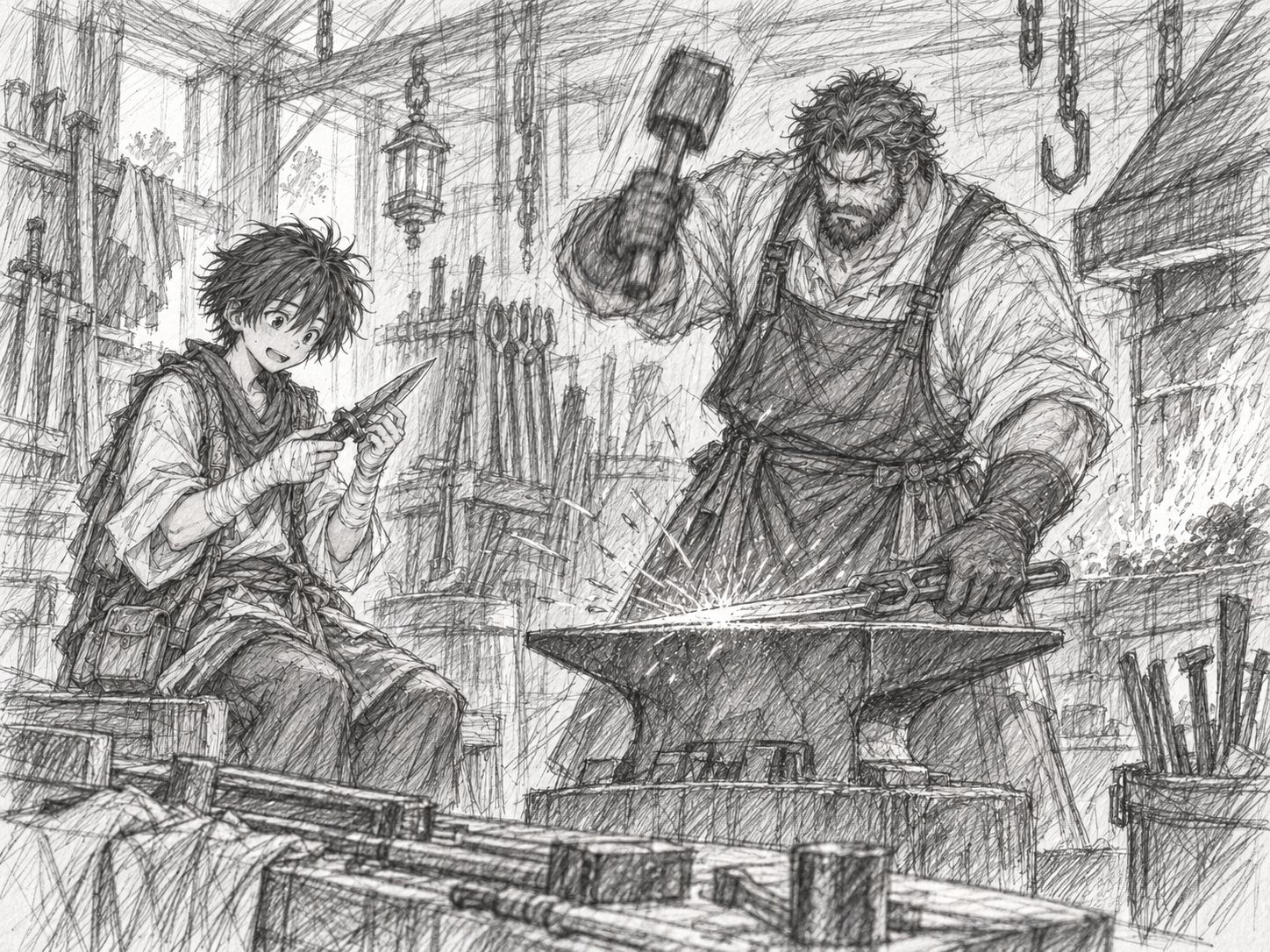
What carries over between runs: trading post unlocks, the influence of the trading house, the captain, and the travel log.
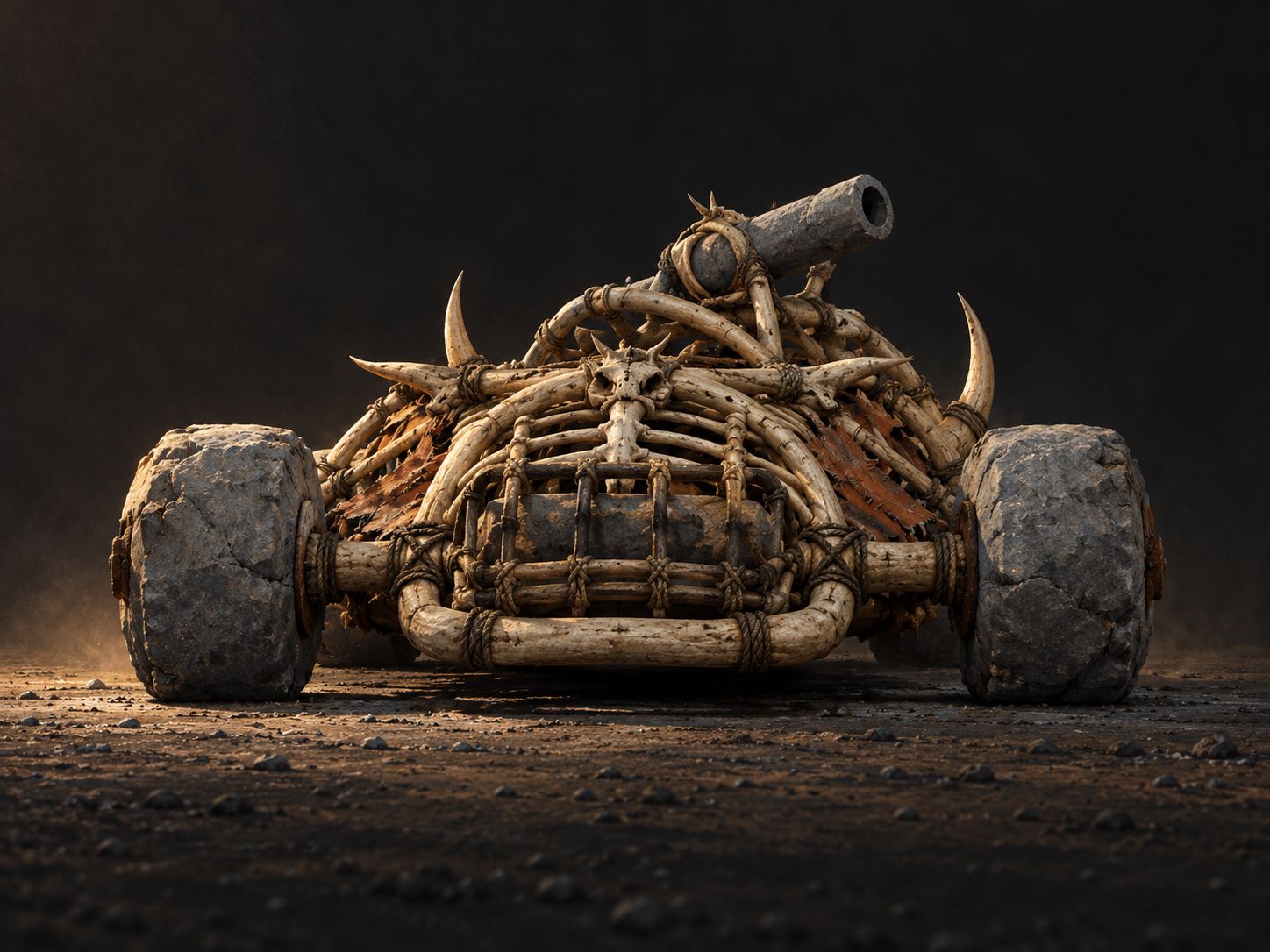
How a car drawing becomes an in-game model: from a recognizable silhouette to wheel axles and weapon mounts.
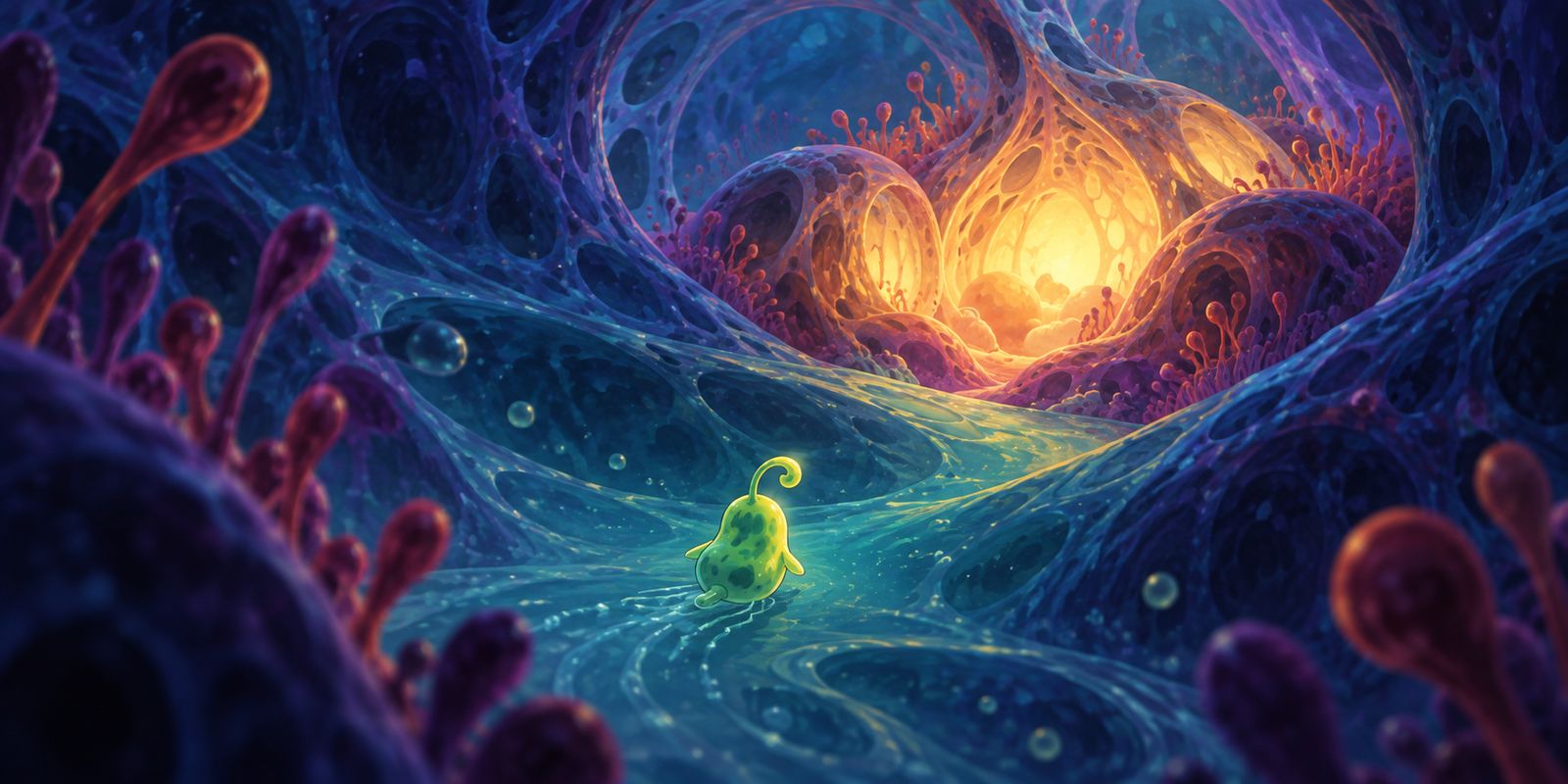
Organs, DNA, and a living nest: what remains after the hunt, and why the progression interface needed a redesign.
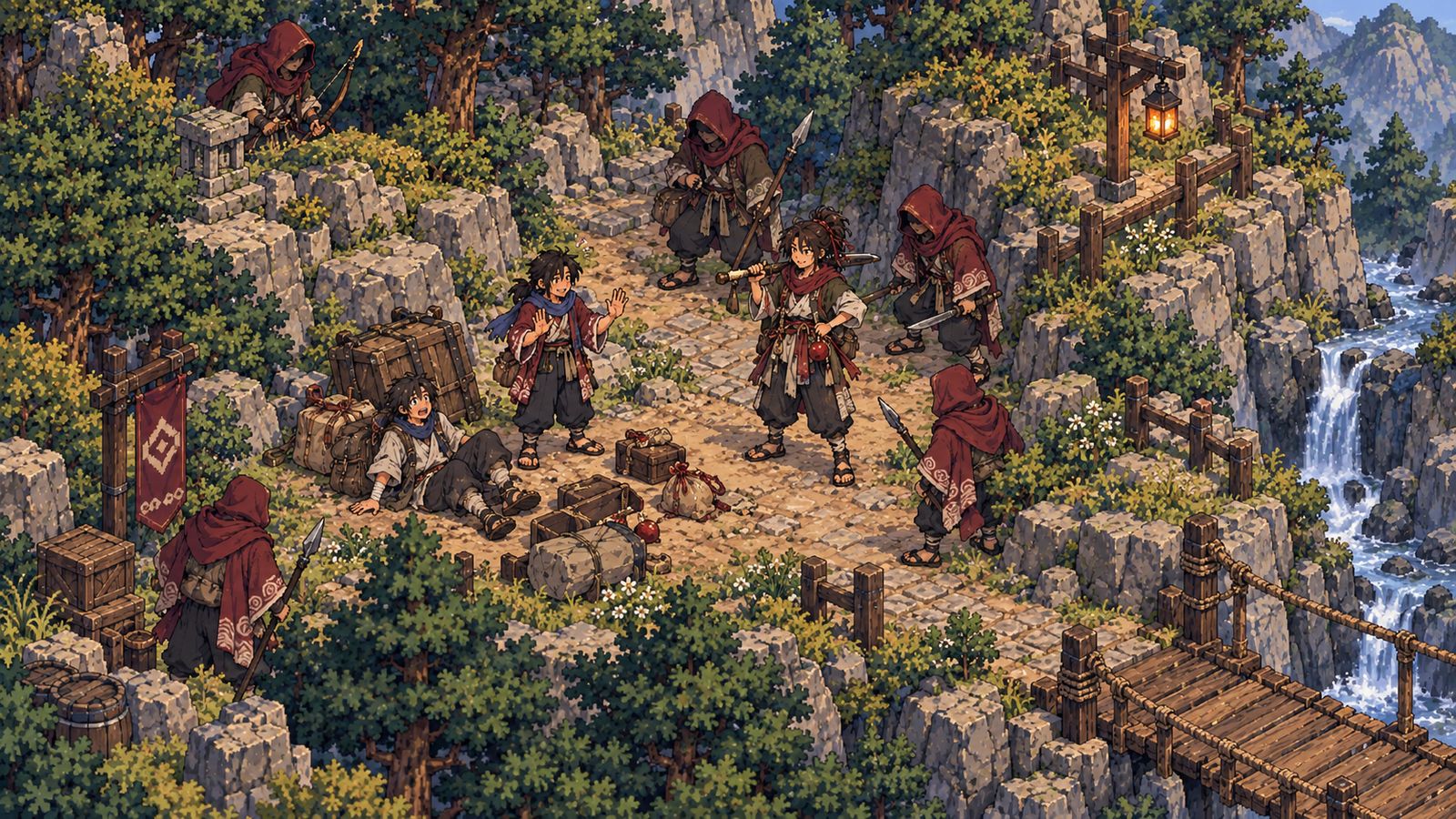
Auto-resolved combat reveals the consequences of preparation. A robbery changes the trip; losing the whole caravan ends it.
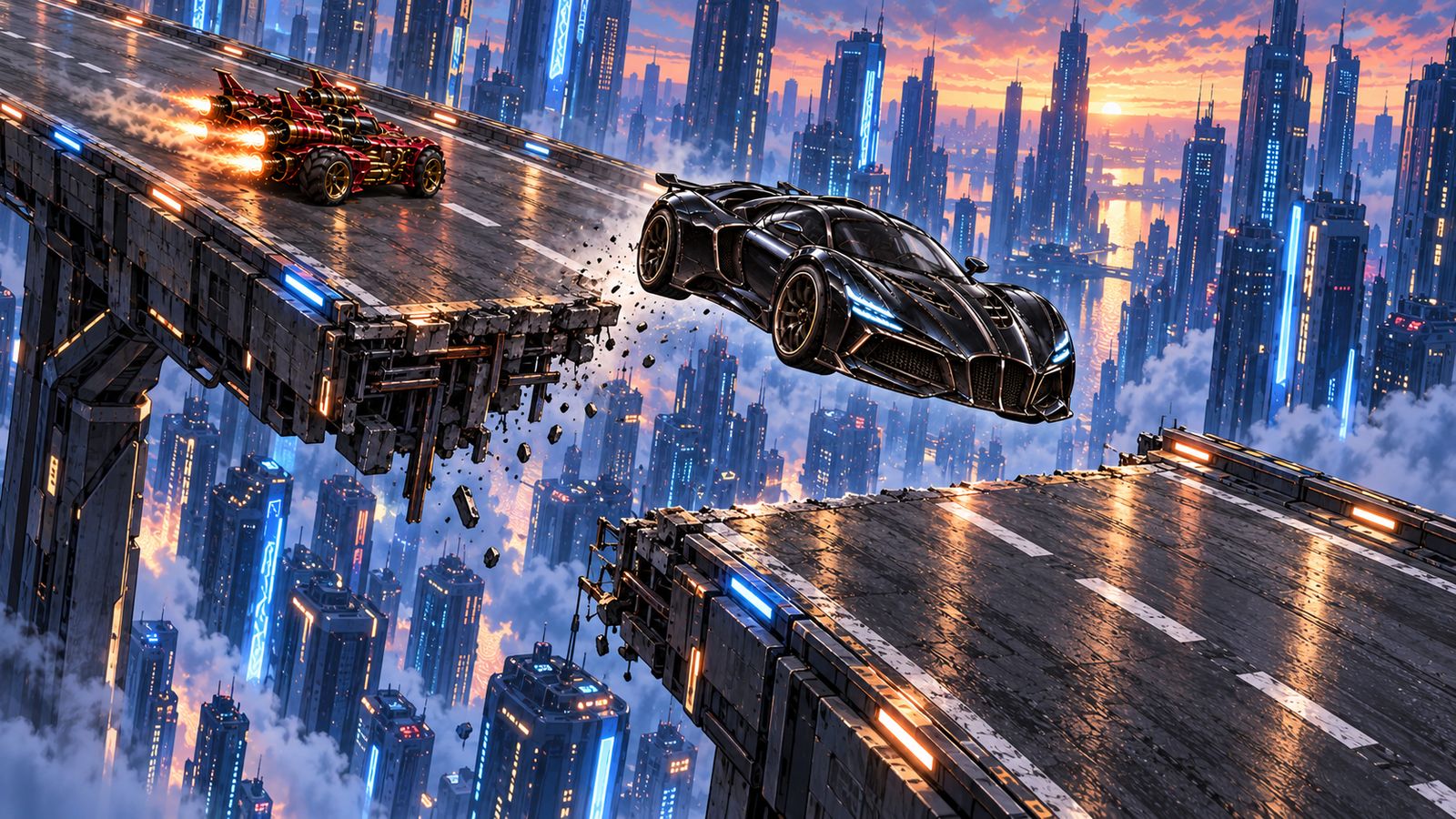
Climb, takeoff, and landing: how road height added new questions about movement and car collisions.
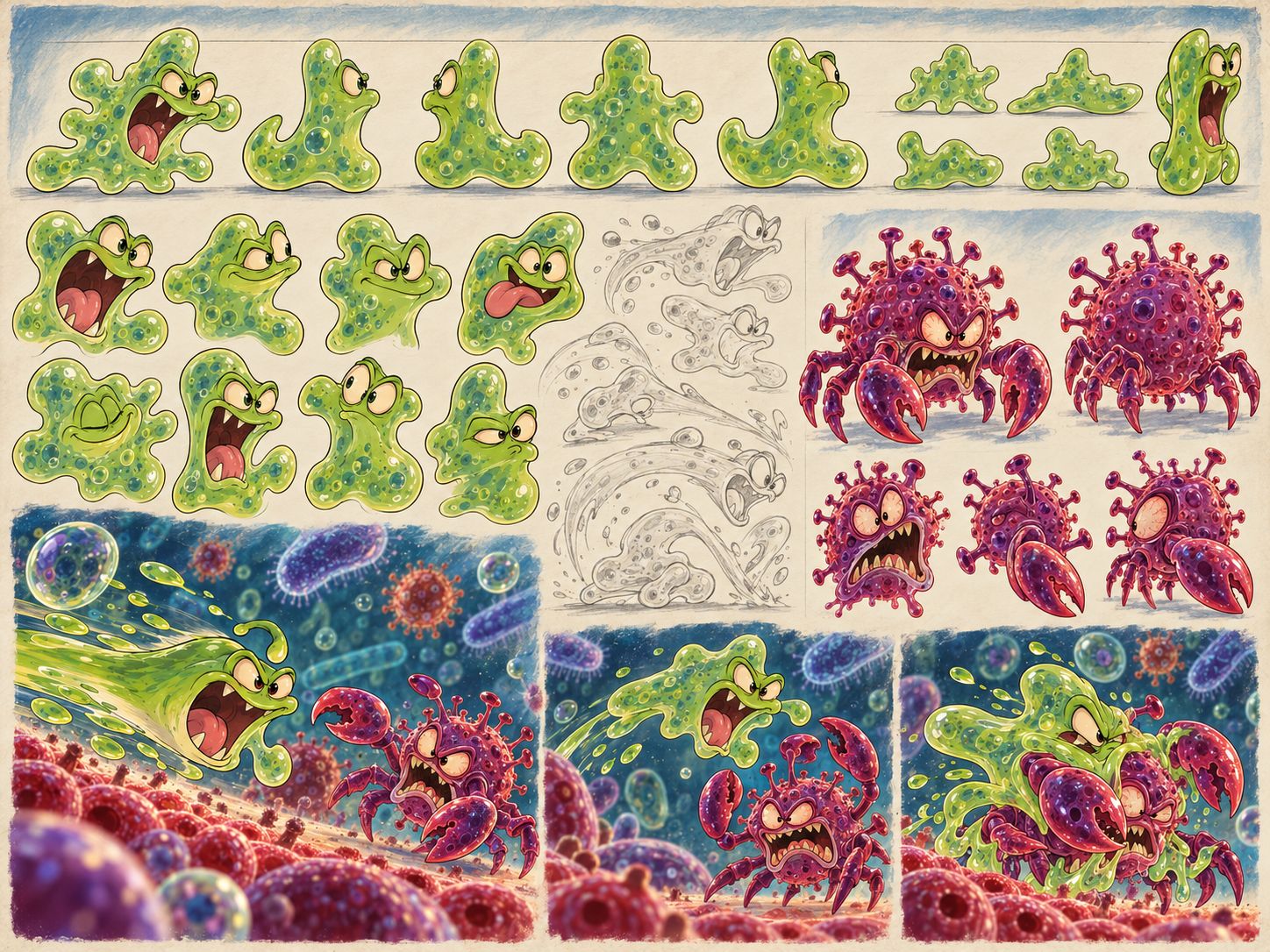
Eyes, shells, and attack tells: how a cartoon microworld learned to show what its inhabitants are about to do.
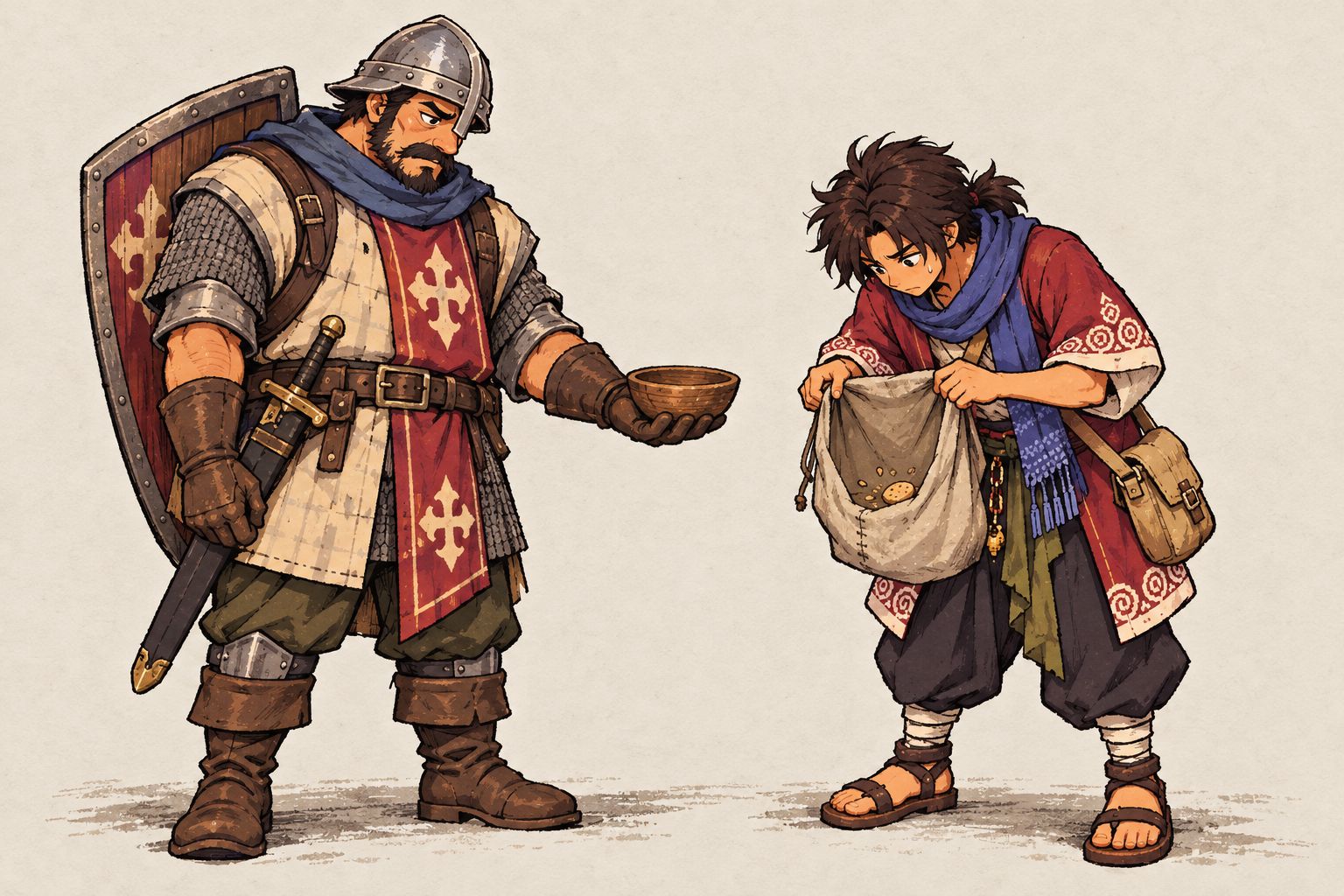
An extra squad protects the caravan, takes up space, and costs upkeep. We break down the price of safety.
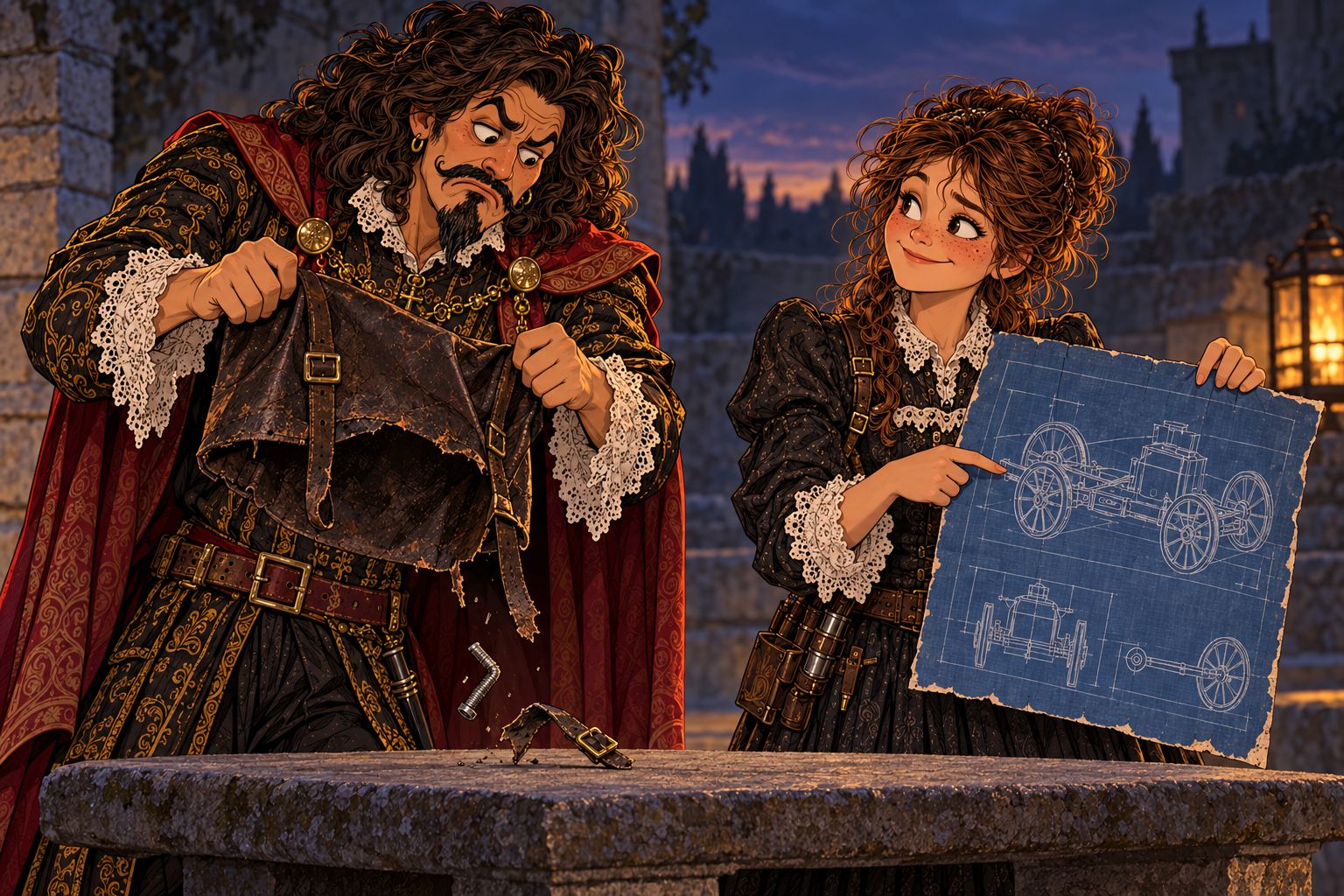
A temporary setup belongs to a series; permanent unlocks remain. How defeat changes your next preparation.
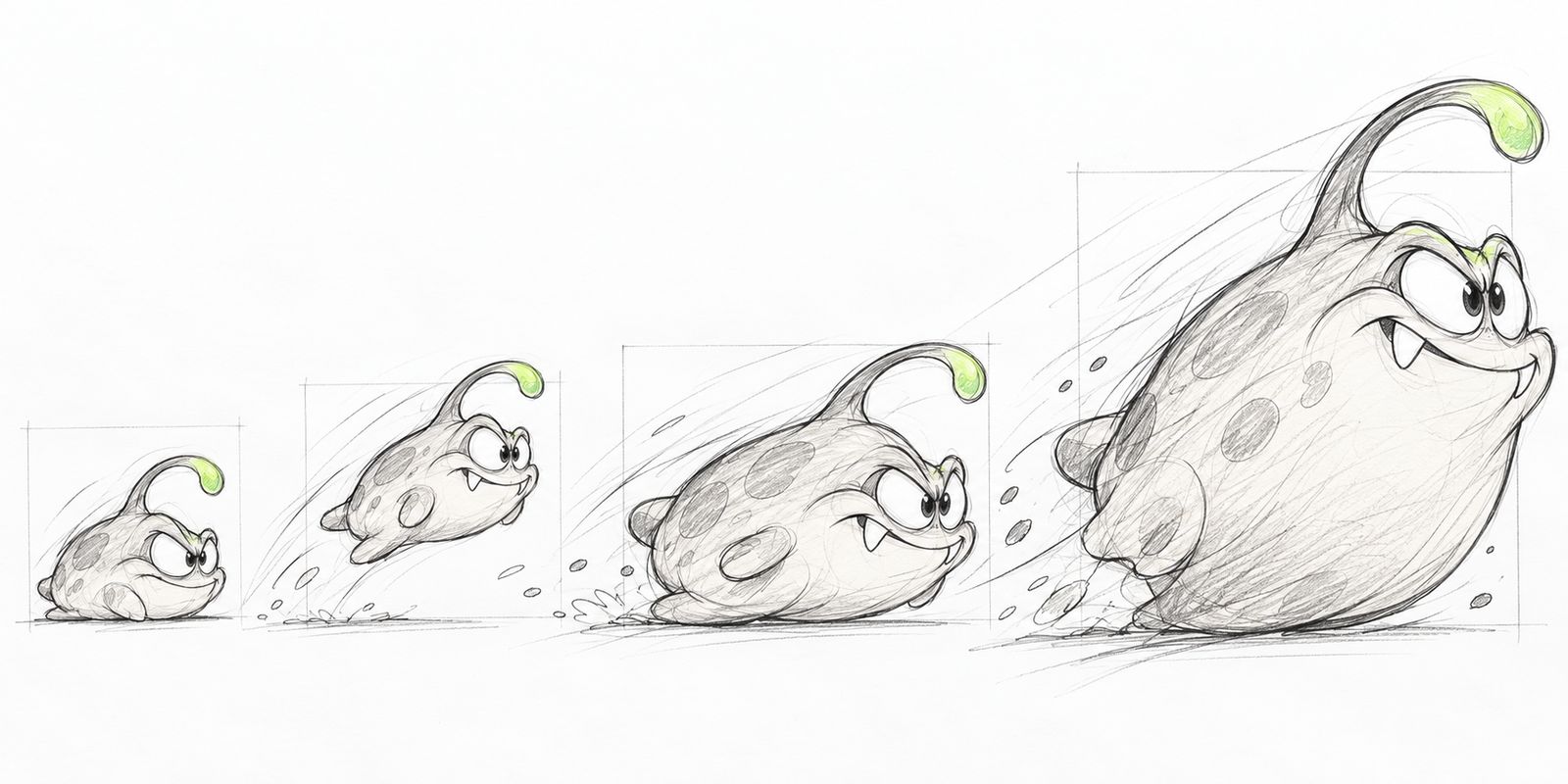
Guzzle grew too quickly, and slowing down alone didn’t make the flight more interesting. How we searched for the right pace.
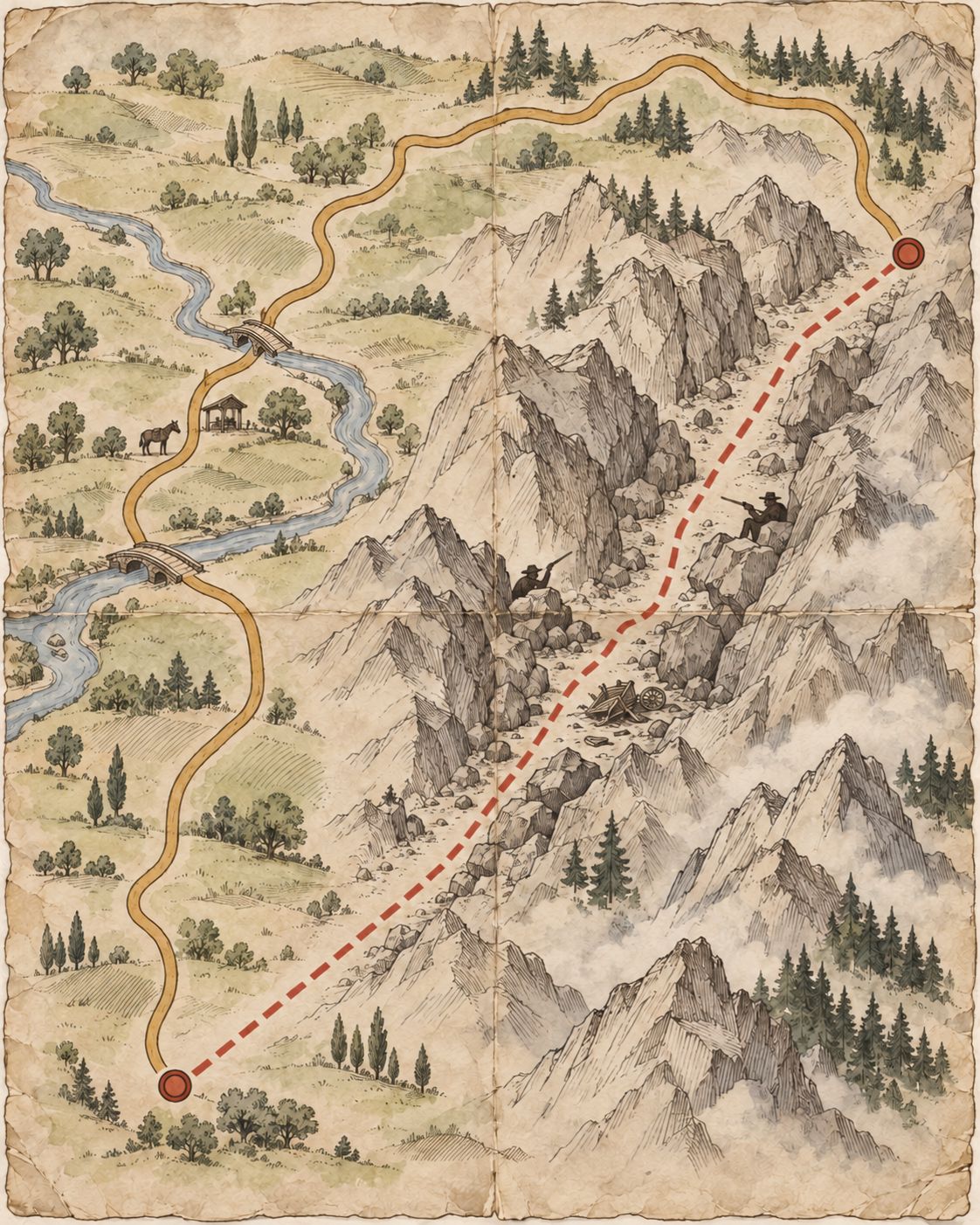
Time, upkeep, and danger all affect a route’s cost. The map should show the way home, too.
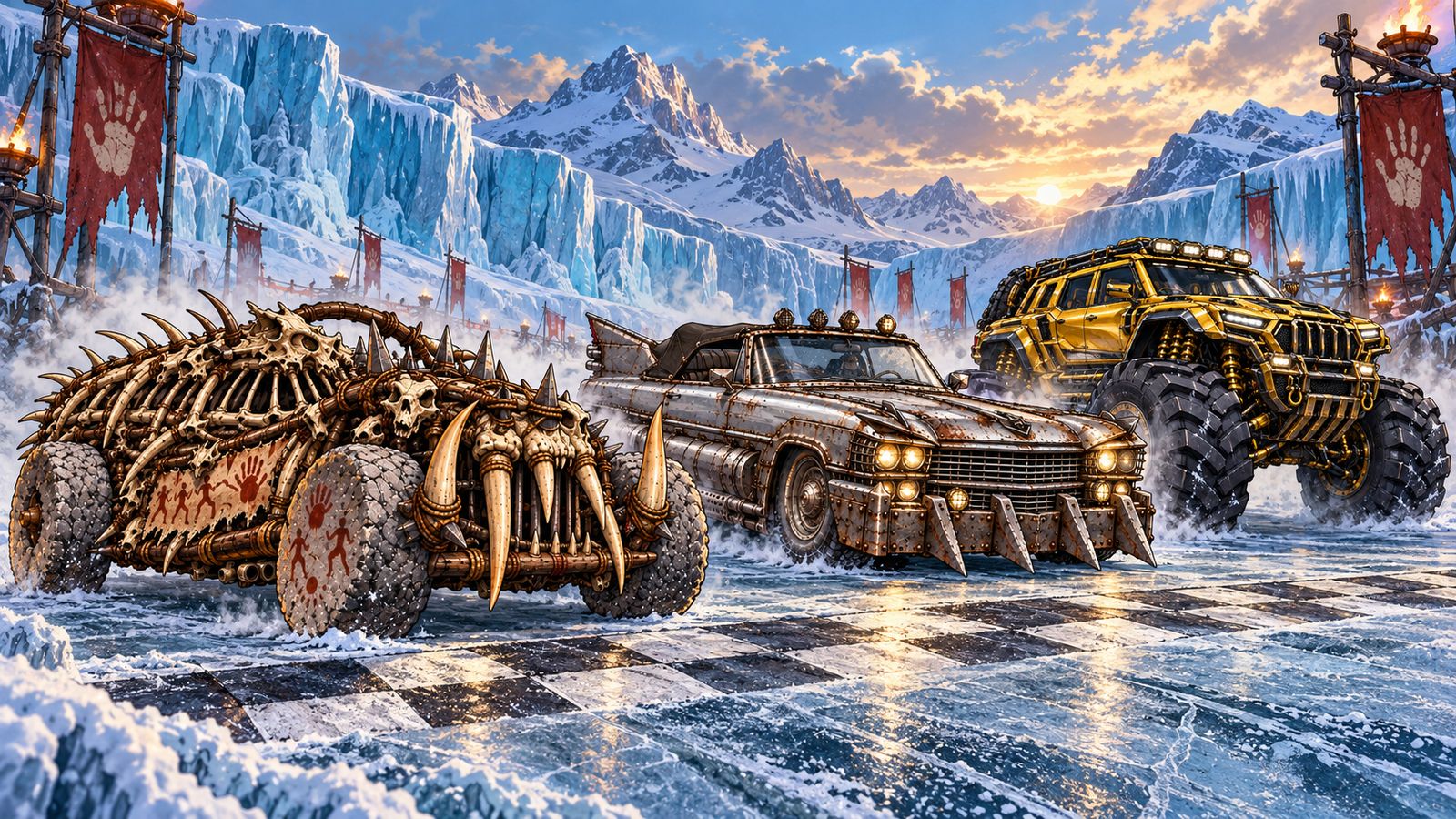
The Pusher makes you watch the car ahead; a mine makes you watch the pursuer. How an early weapon choice changed the way you read the track.
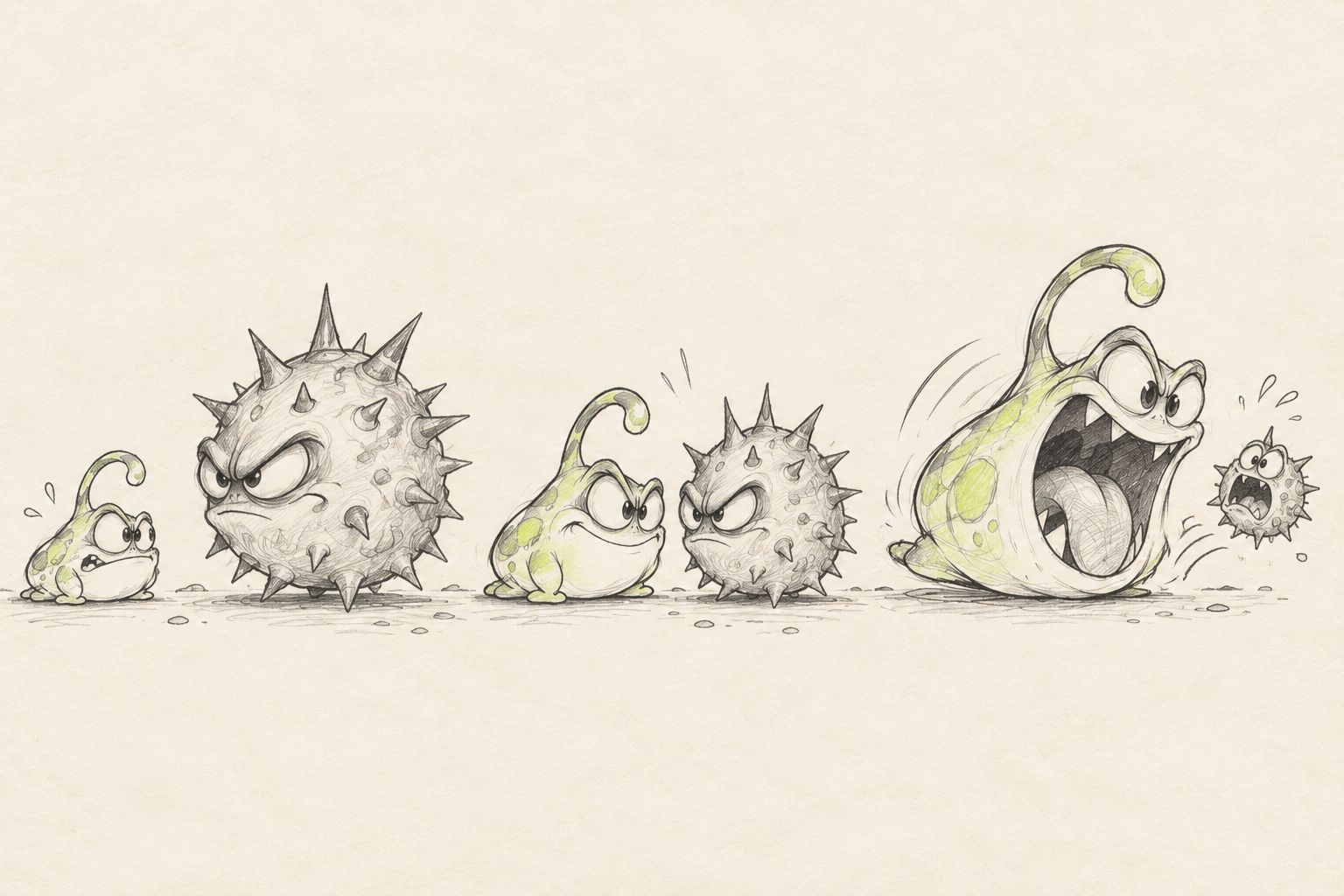
How a familiar enemy becomes prey—and why Guzzle has to fear it again after shrinking.
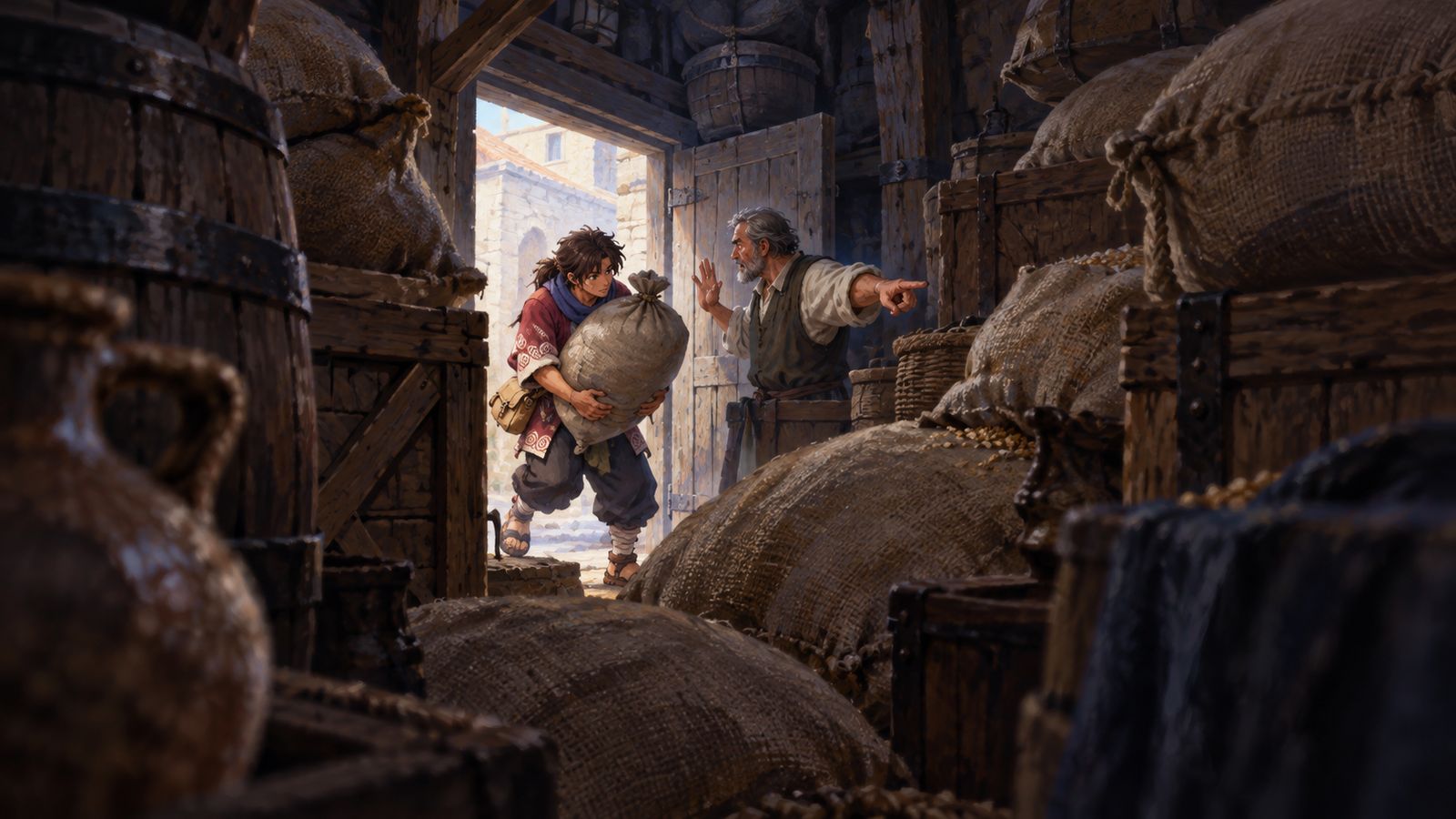
Every lot you sell changes the market. Why a large shipment can’t be priced by simply multiplying the first quote.
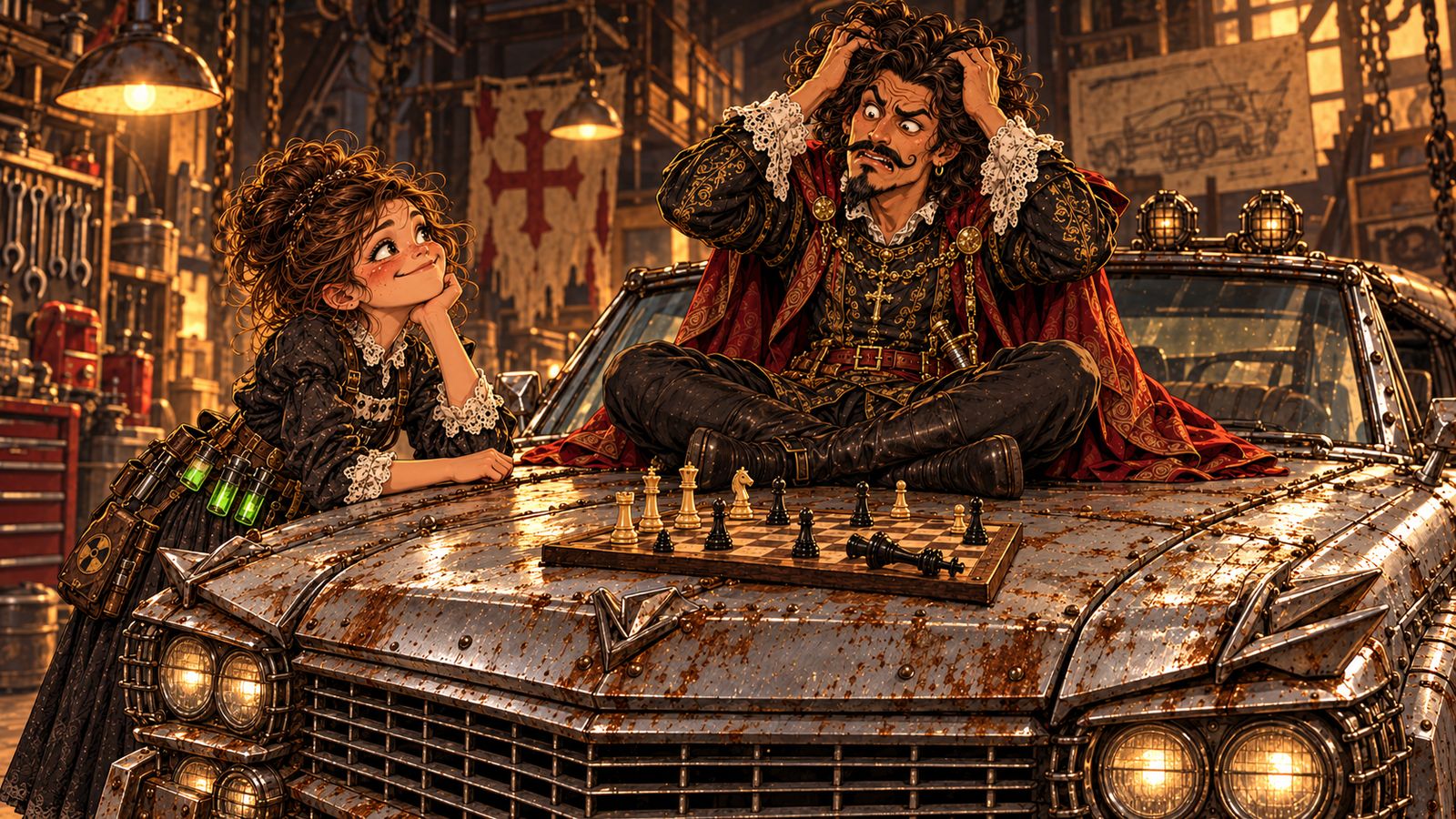
Between races, choose a car, weapons, and parts for the next run. How to make preparation clear and keep browsing separate from buying.
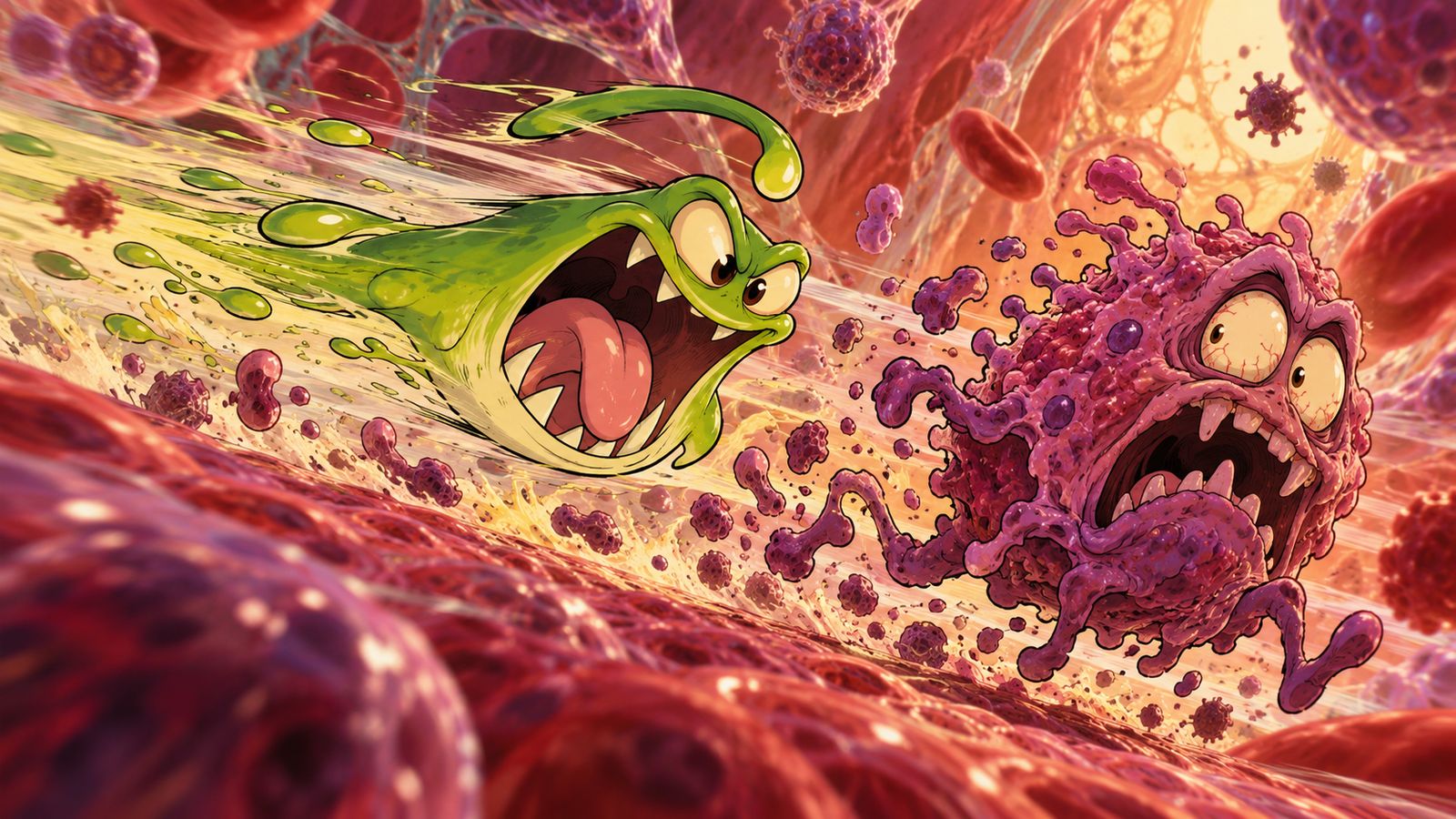
How we searched for a screen format and flight speed, then found a launch: pull Guzzle down and let go at the right moment.
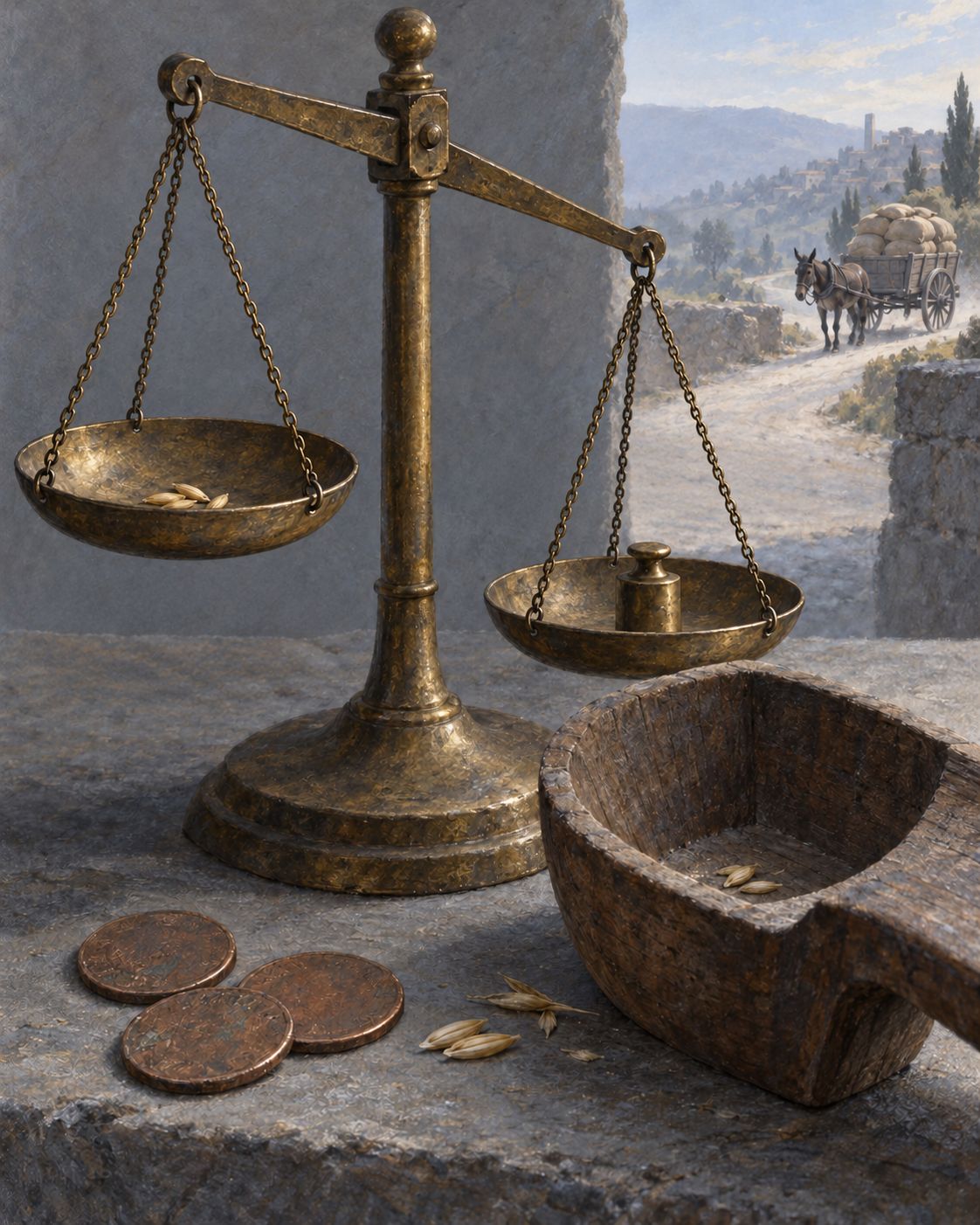
How supplies, consumption, and deliveries explain prices—and where we drew the boundaries of the economic model.
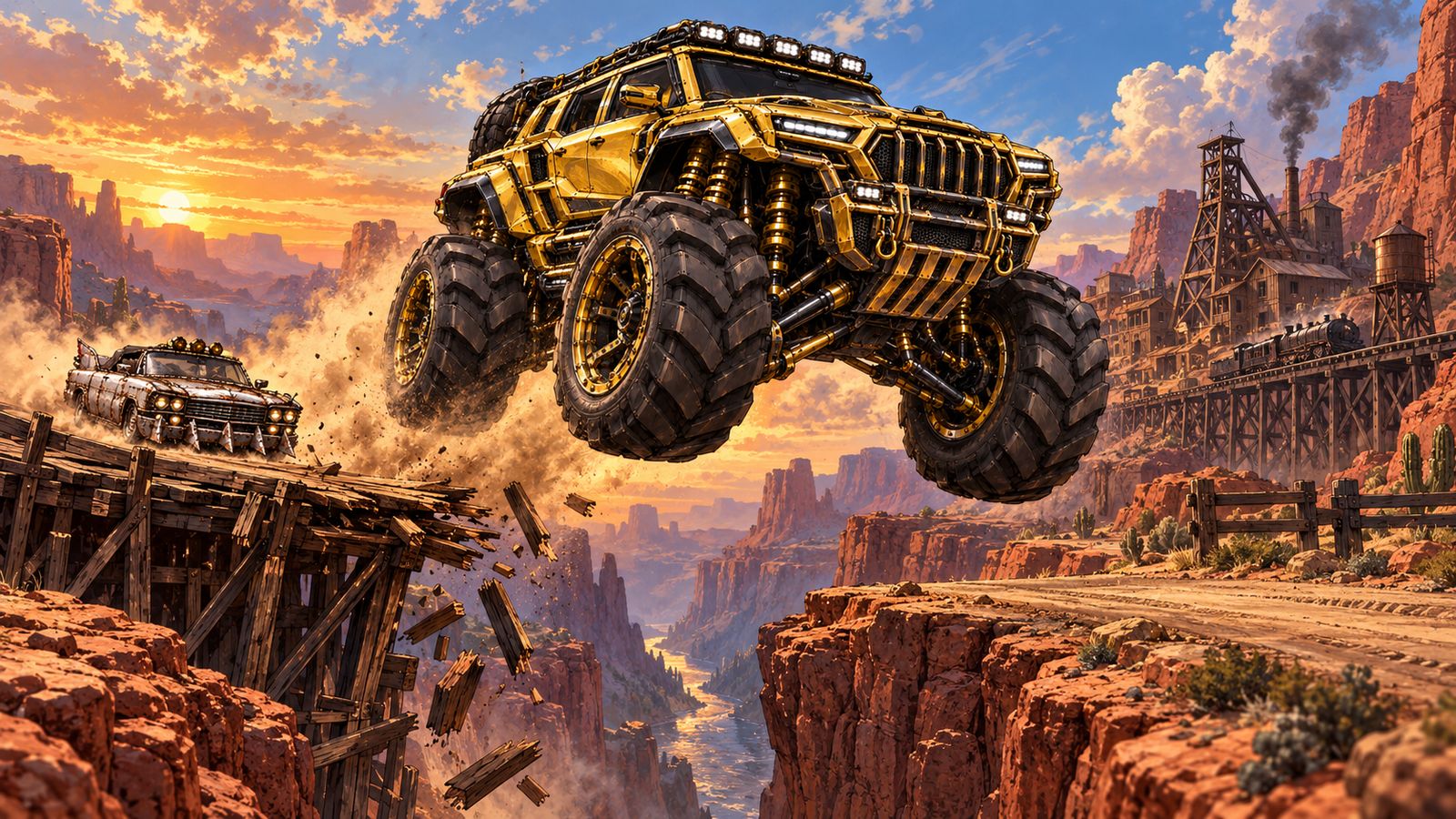
Dimensions, grip, and steering response: how a car’s character comes through in motion.
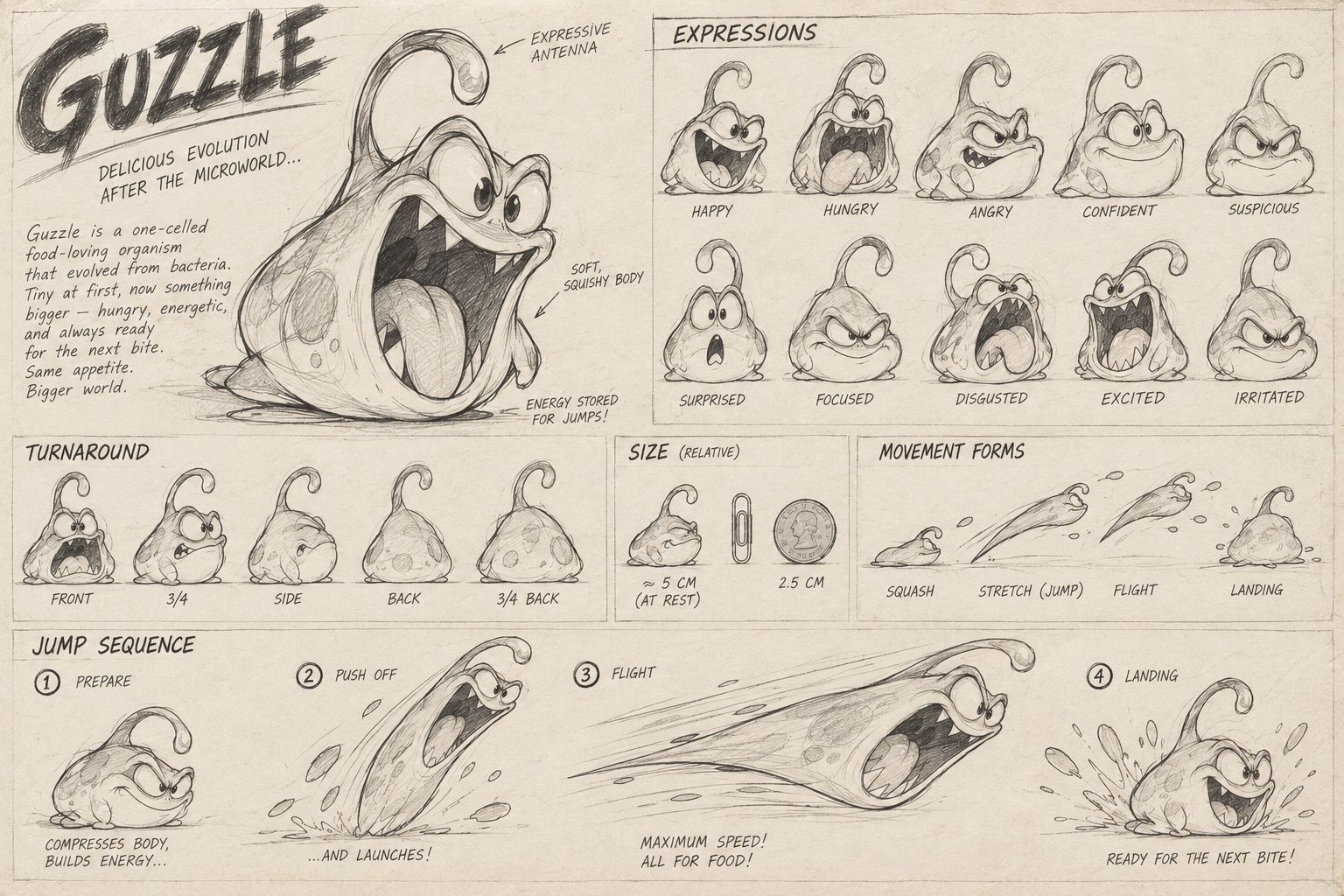
How to keep Guzzle’s personality between a large drawing and a small hero who needs to open its mouth at just the right moment.
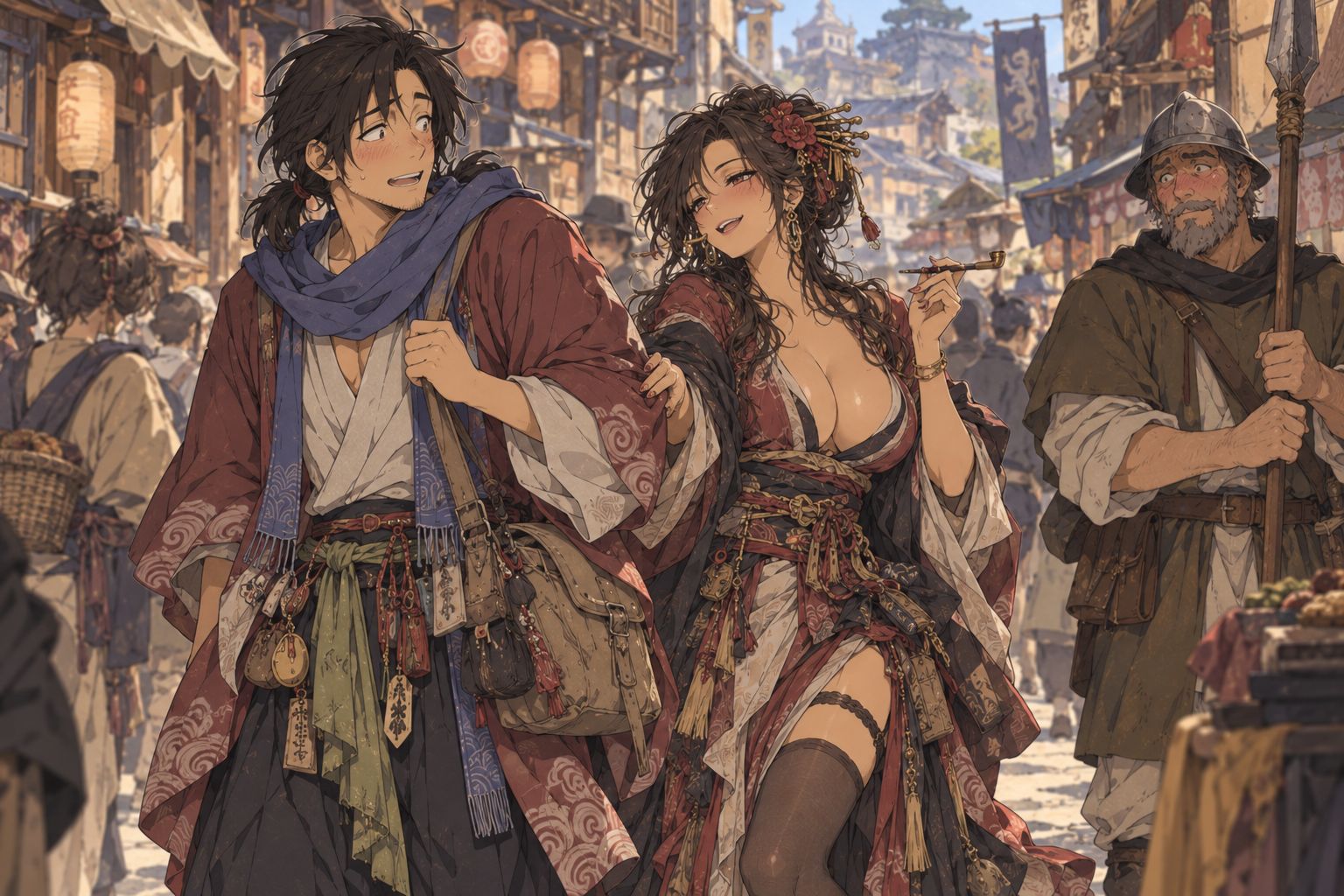
Transport, cargo, guards, and road supplies come together in one budget. The first decision happens at the warehouse gate.
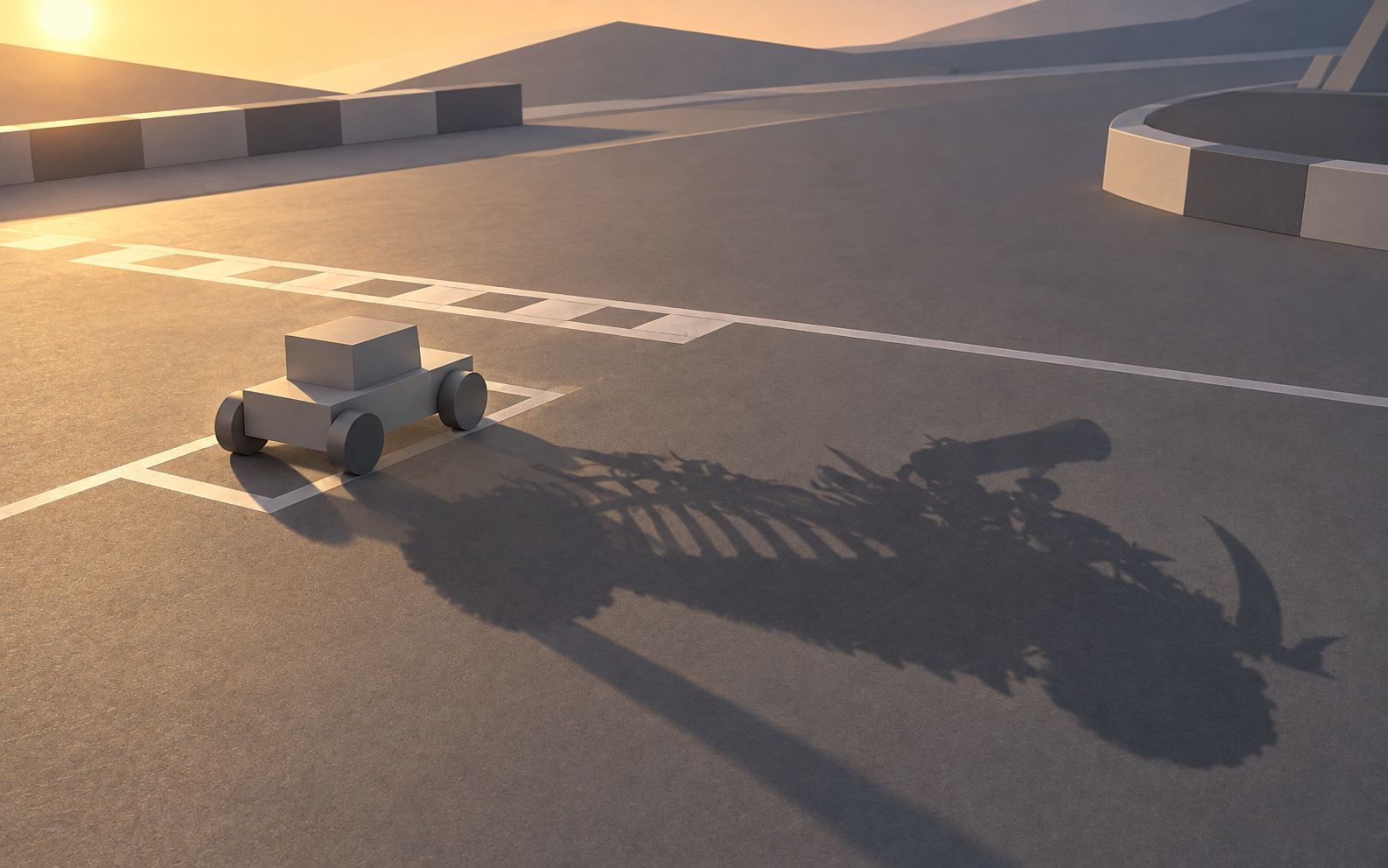
How simple models helped us test a lap, forks in the road, and controls before the future cars had their own look.
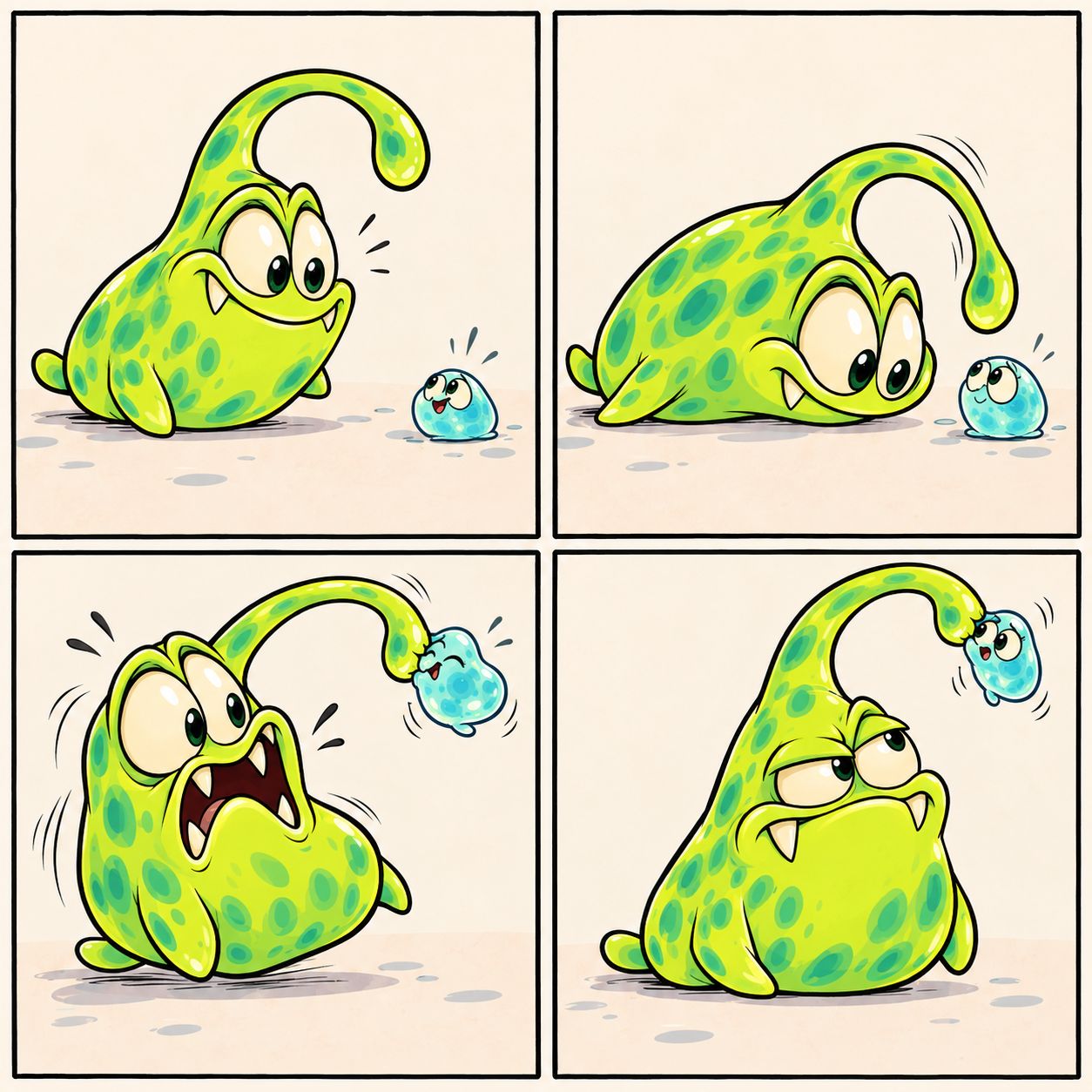
The first game was meant to be a small arcade game. Then the slime wanted to eat the galaxy, and feedback helped us find a direction.
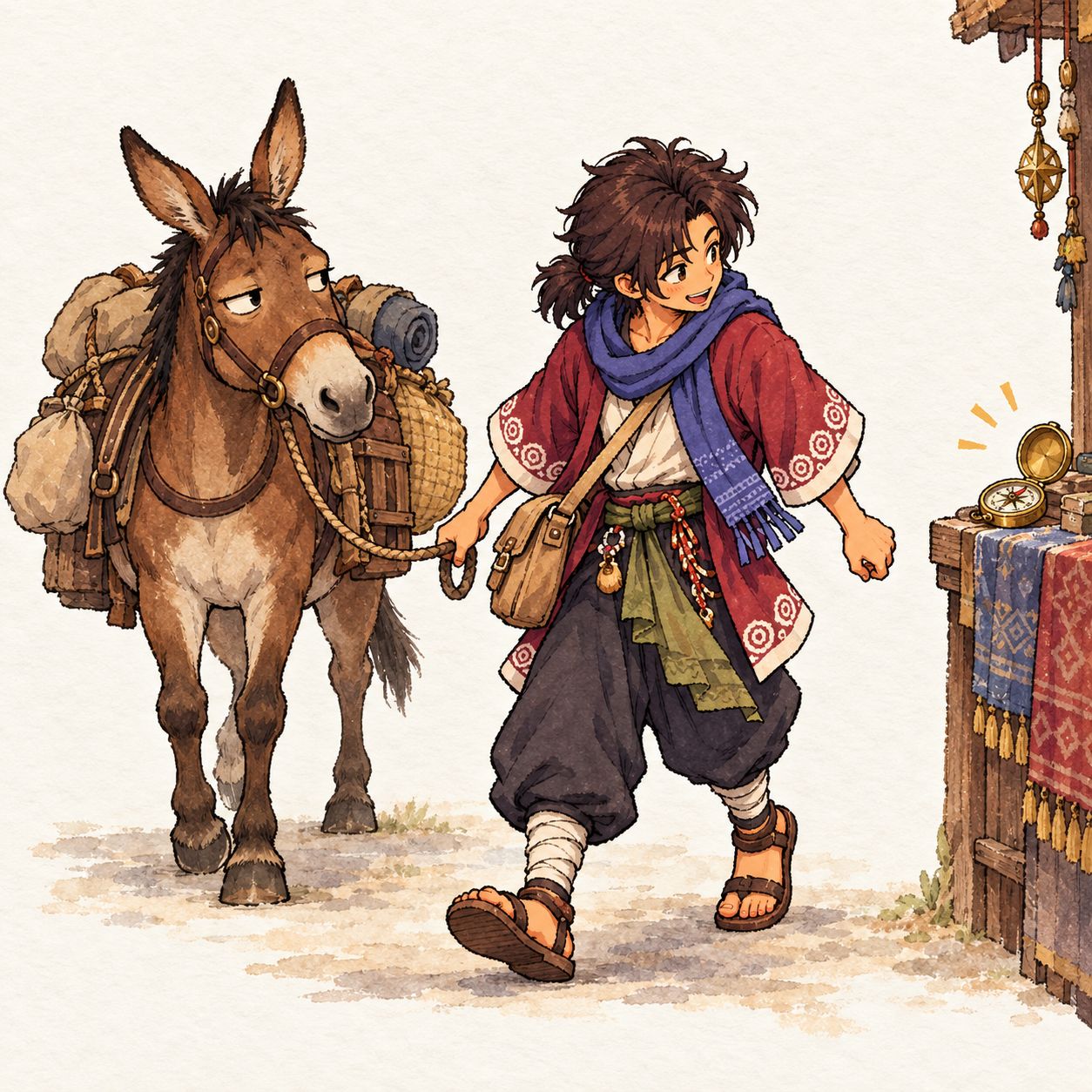
From Trade Empires and a love of trading to a caravan, a living market, and a long search for a world worth spending an evening in.
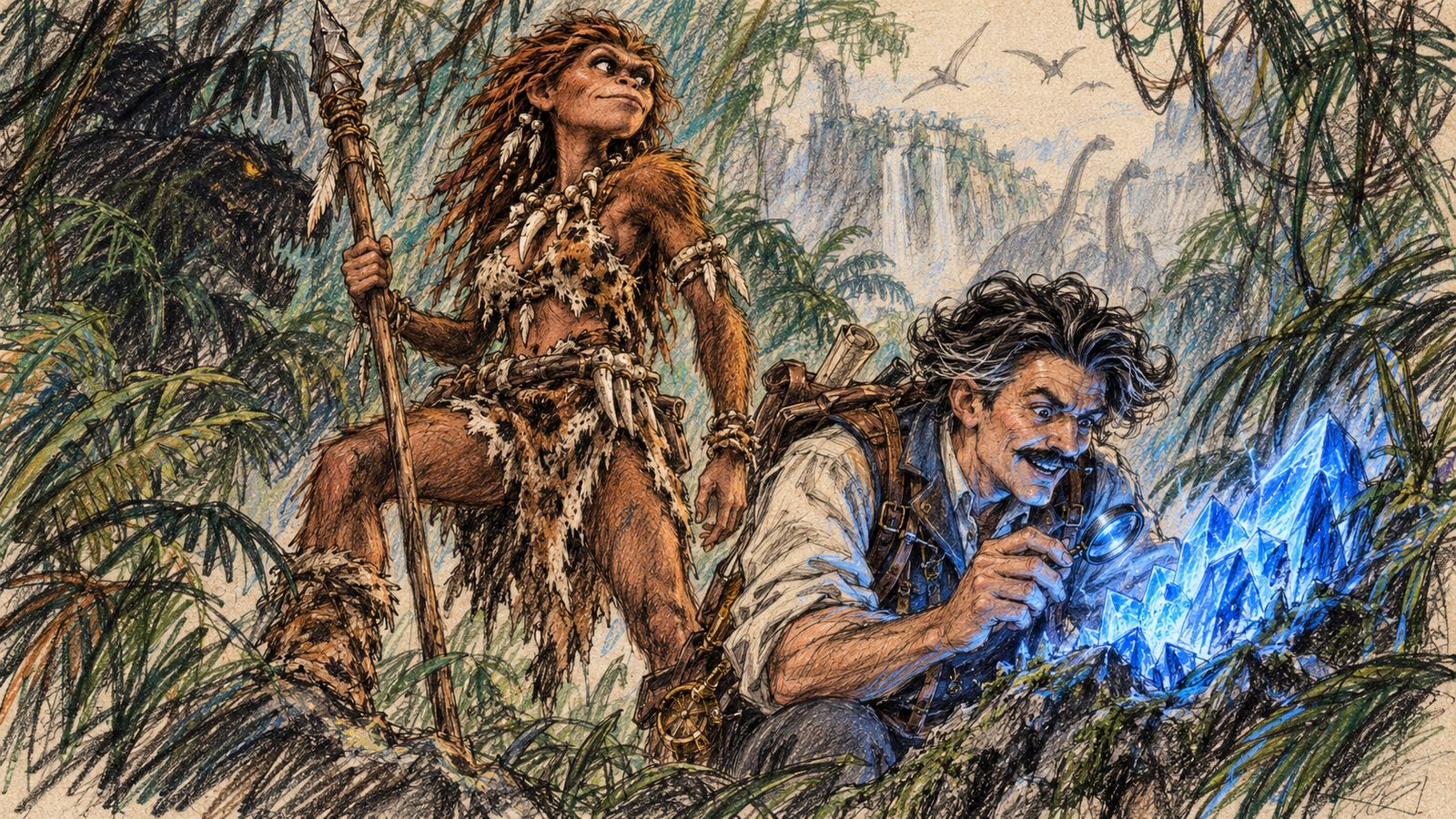
From wanting to race karts with friends to wild cars, vivid heroes, and races across eras. How we found a recipe of our own.
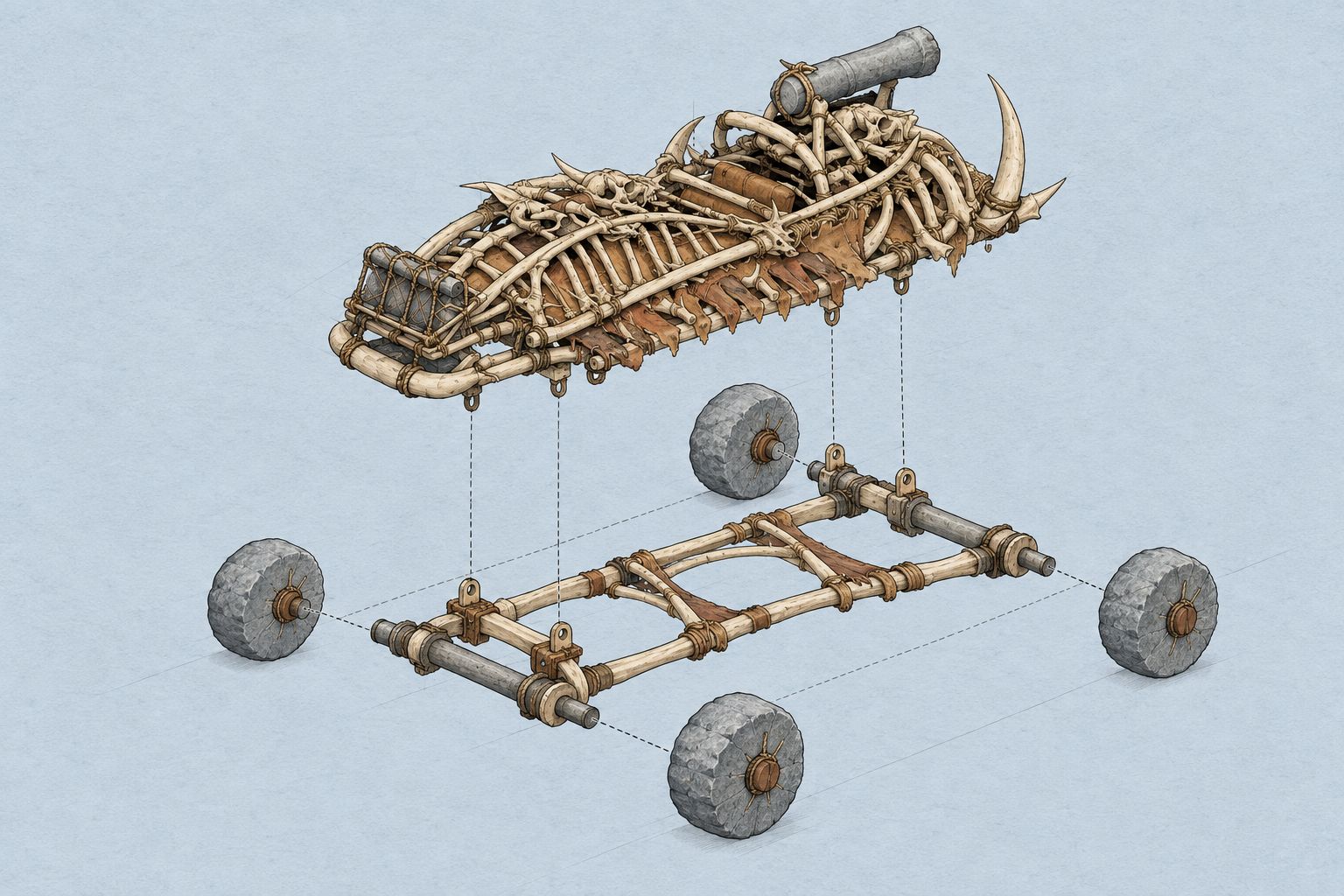
Shape, materials, export, and a real race: the bone car’s path through Blender and into the game engine.
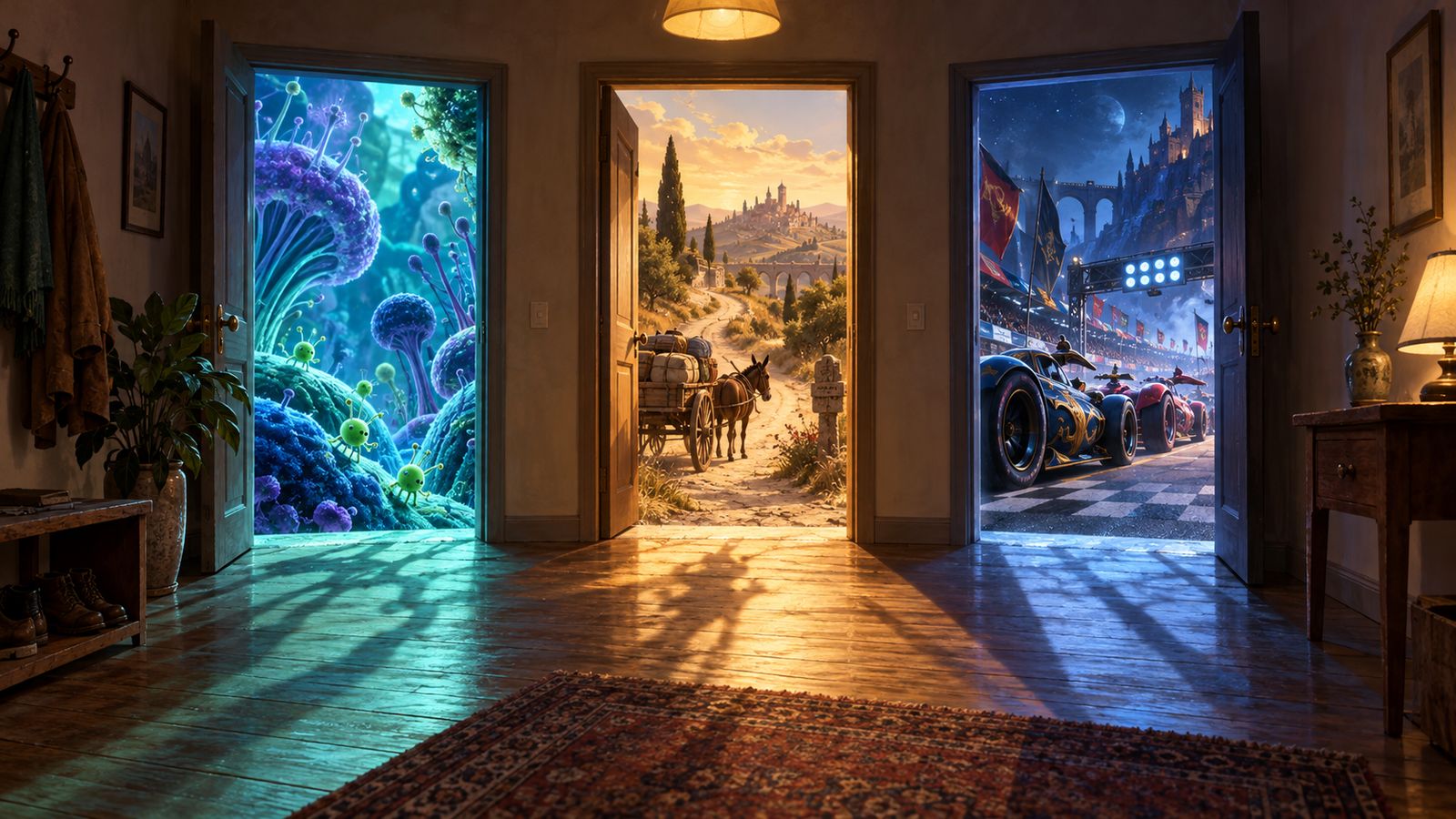
How the wish to play grew into Guzzle Boom!, Last Road, and Smoke and Flame—and why their first ideas changed.
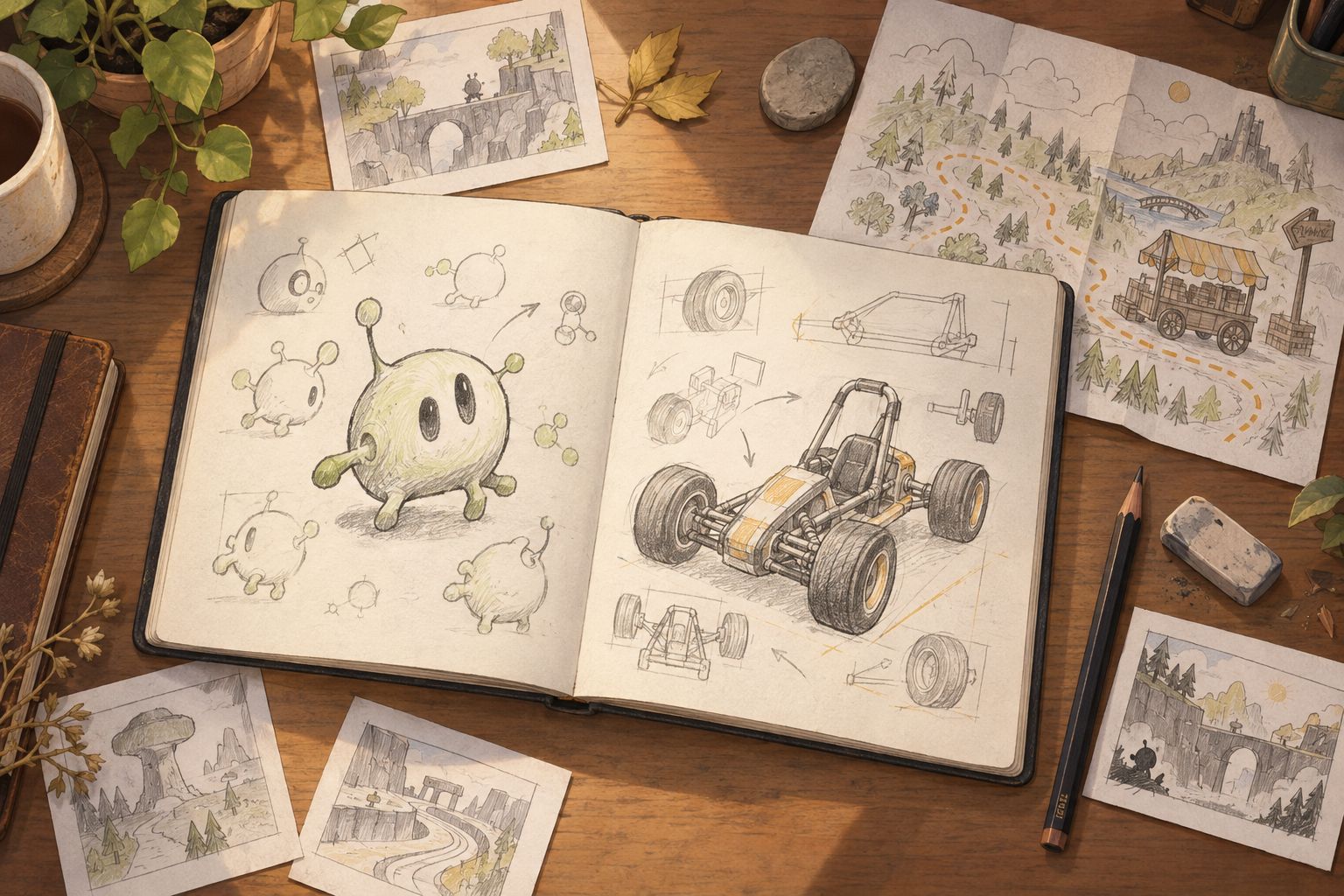
How Guzzle grows, what gives a market life, and how stone wheels look in motion: the workshop’s first visual edition.
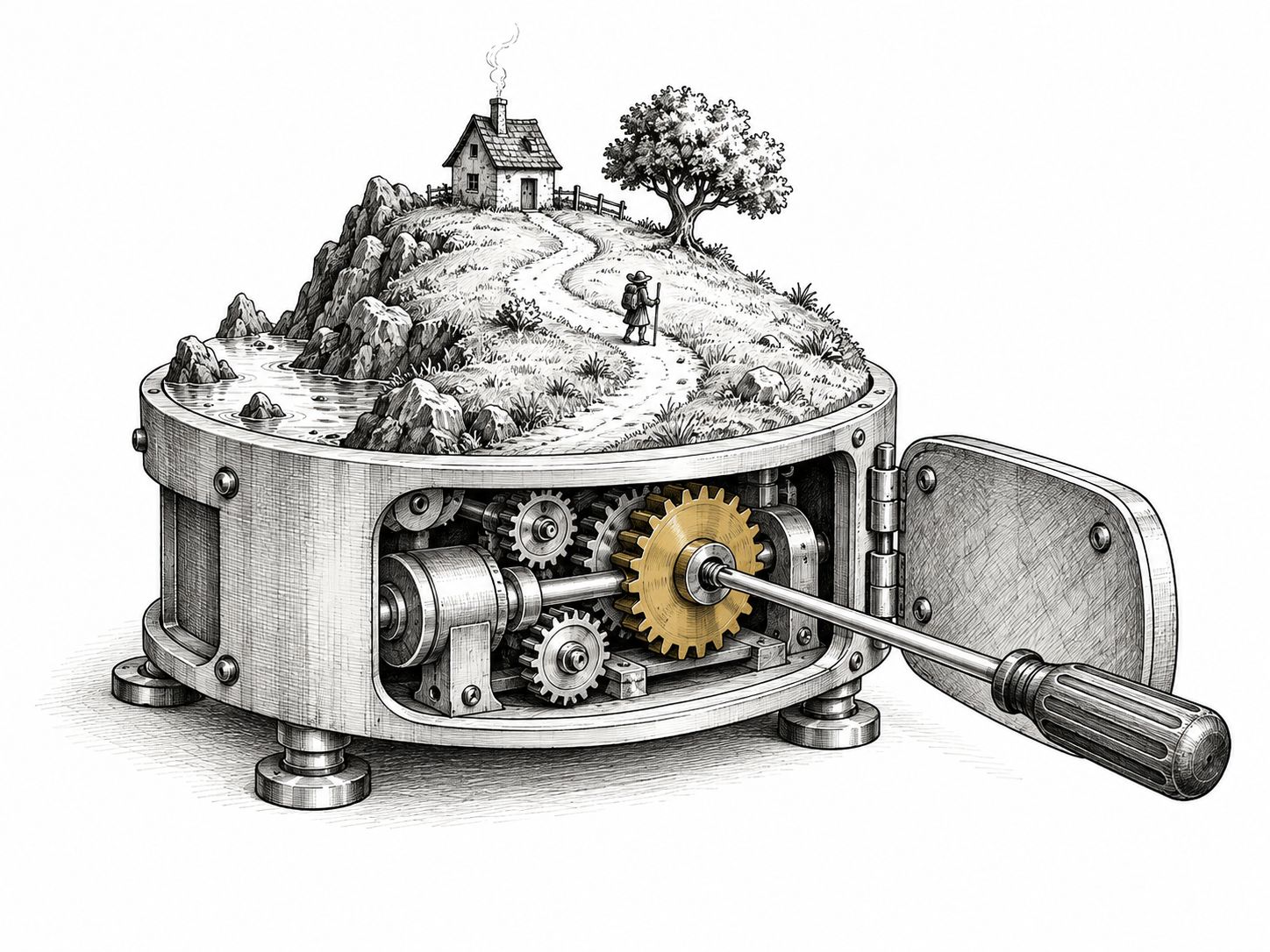
How Unity’s Runtime Fee history shaped our engine choice, and why Unreal’s terms are a separate question.
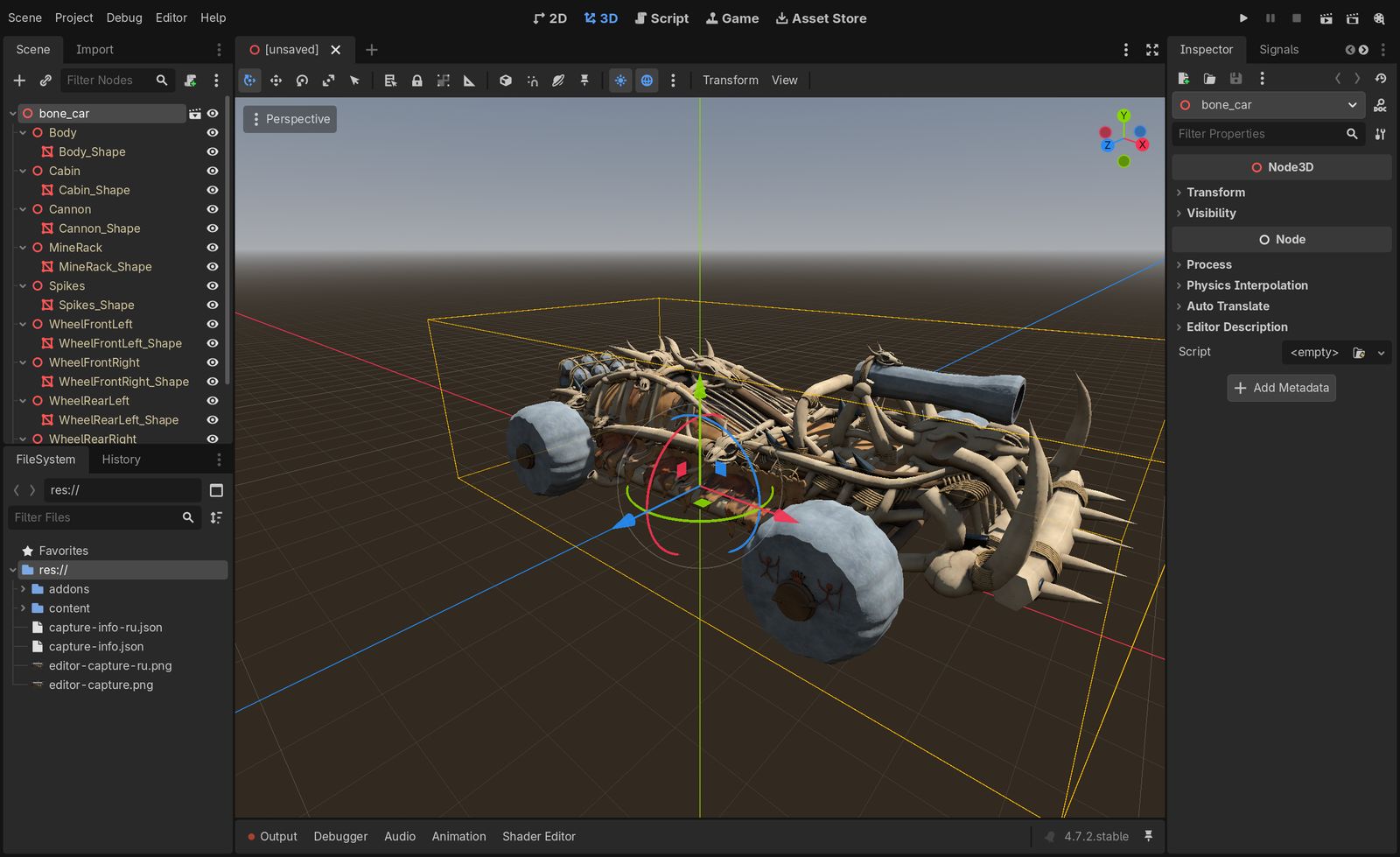
Why Godot’s open source, control over our working version, and repeatable checks suit our process.
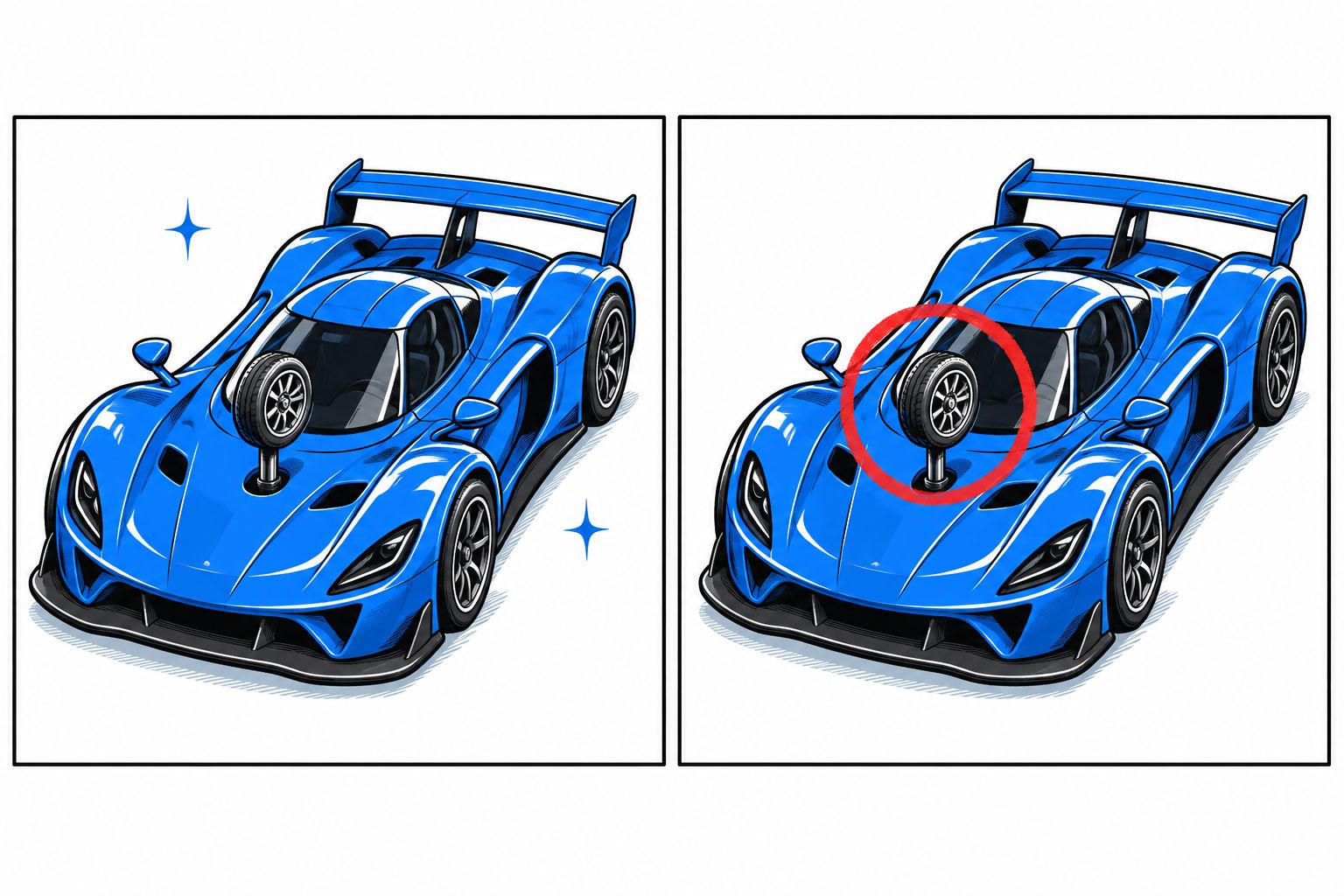
How AI helps us write code, test gameplay situations, and explore visual ideas—and what we check ourselves.
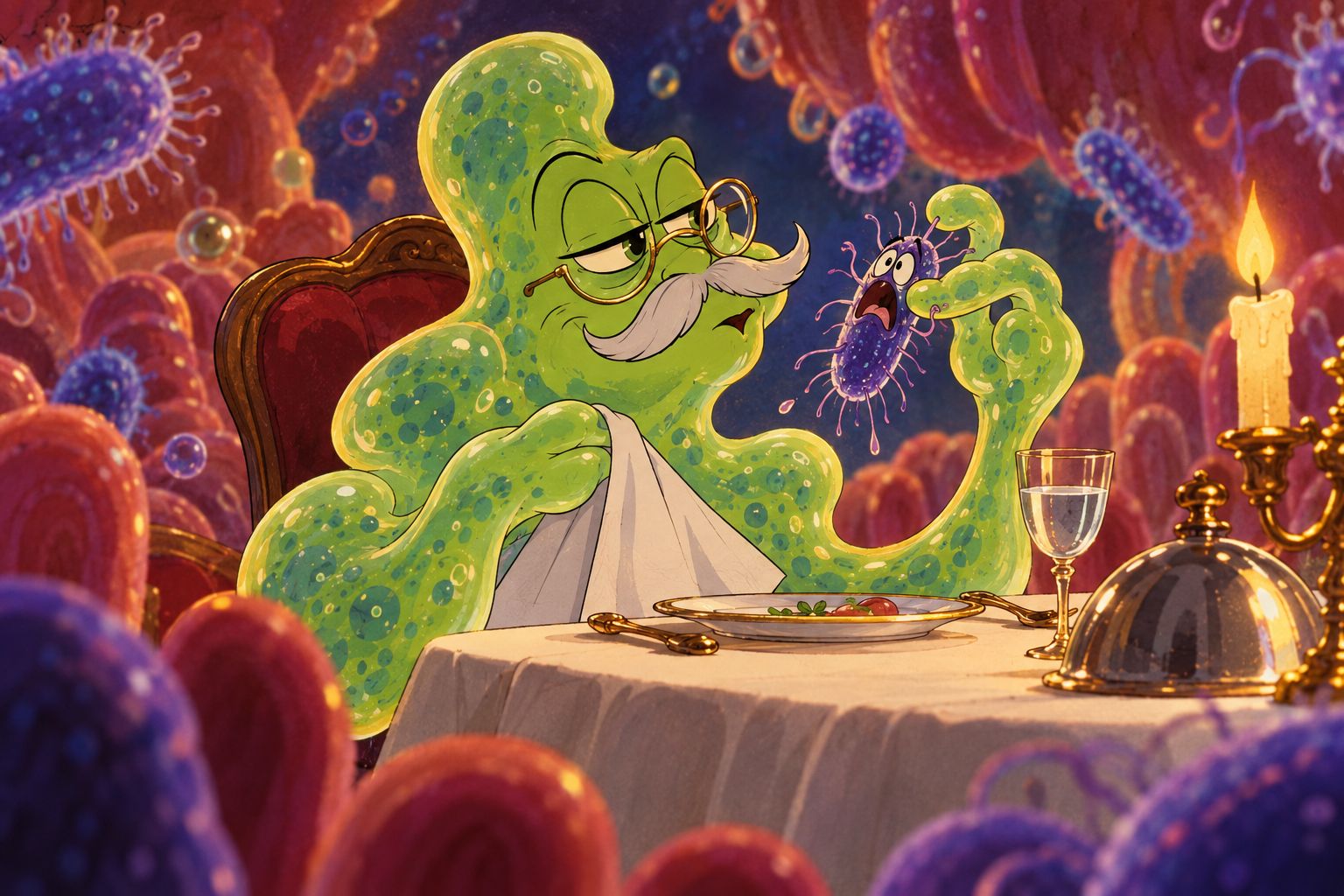
Meet Guzzle and a microworld where growing changes your place in the food chain.
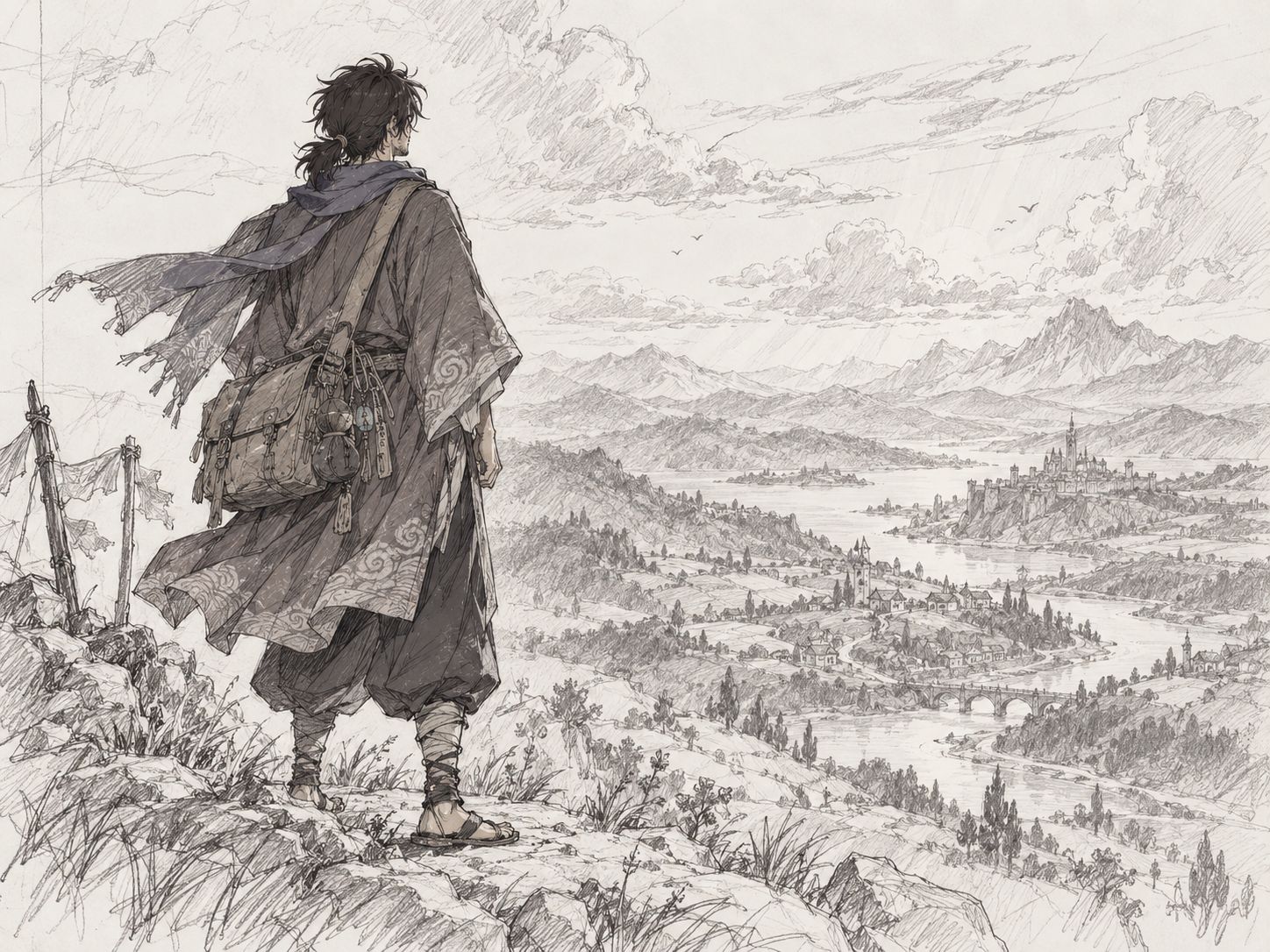
Return with what you’ve earned, or risk it for one more deal? The central choice on Last Road’s trading journeys.
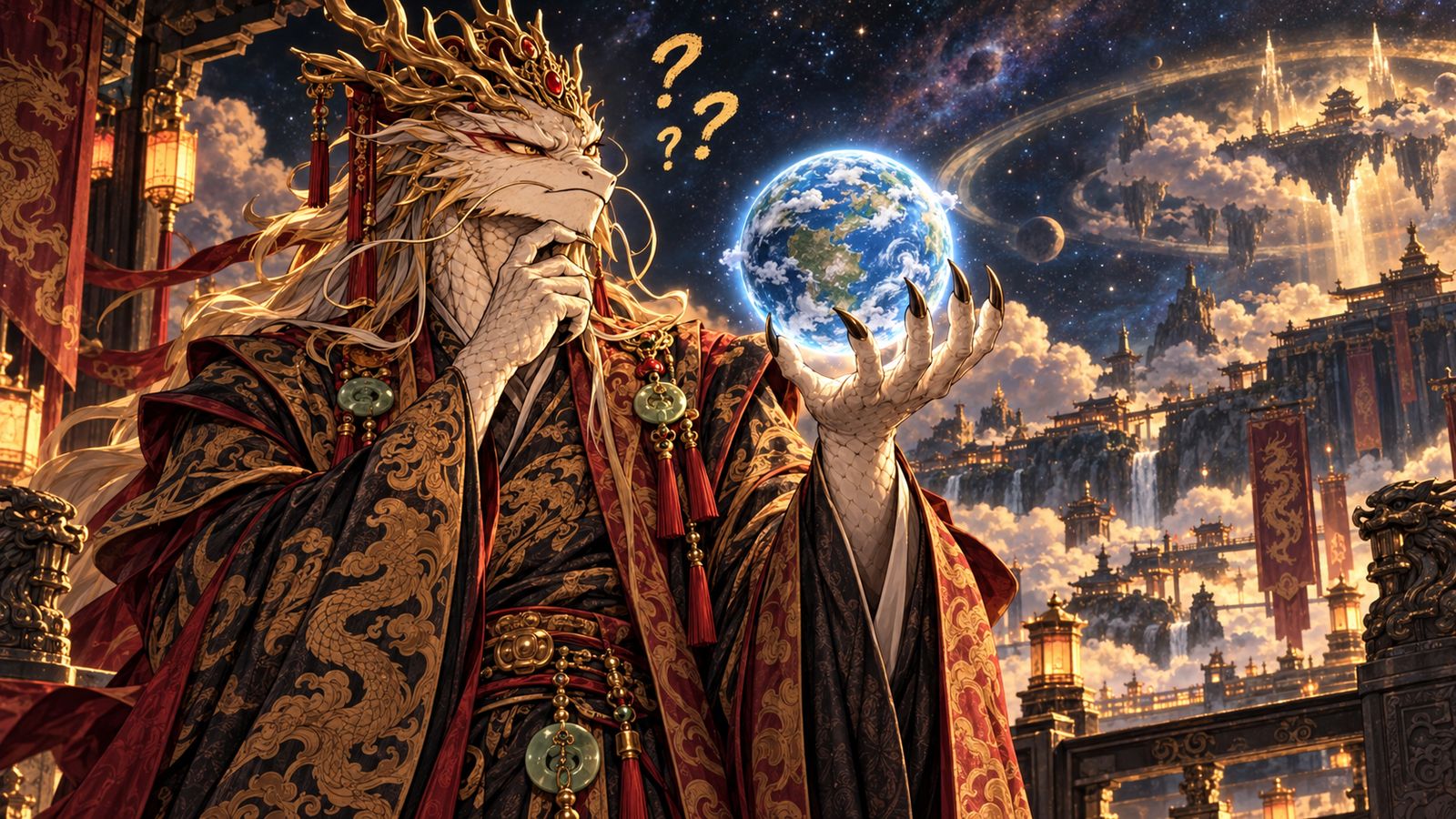
After a bad race, it’s easy to decide you just need a more powerful car.