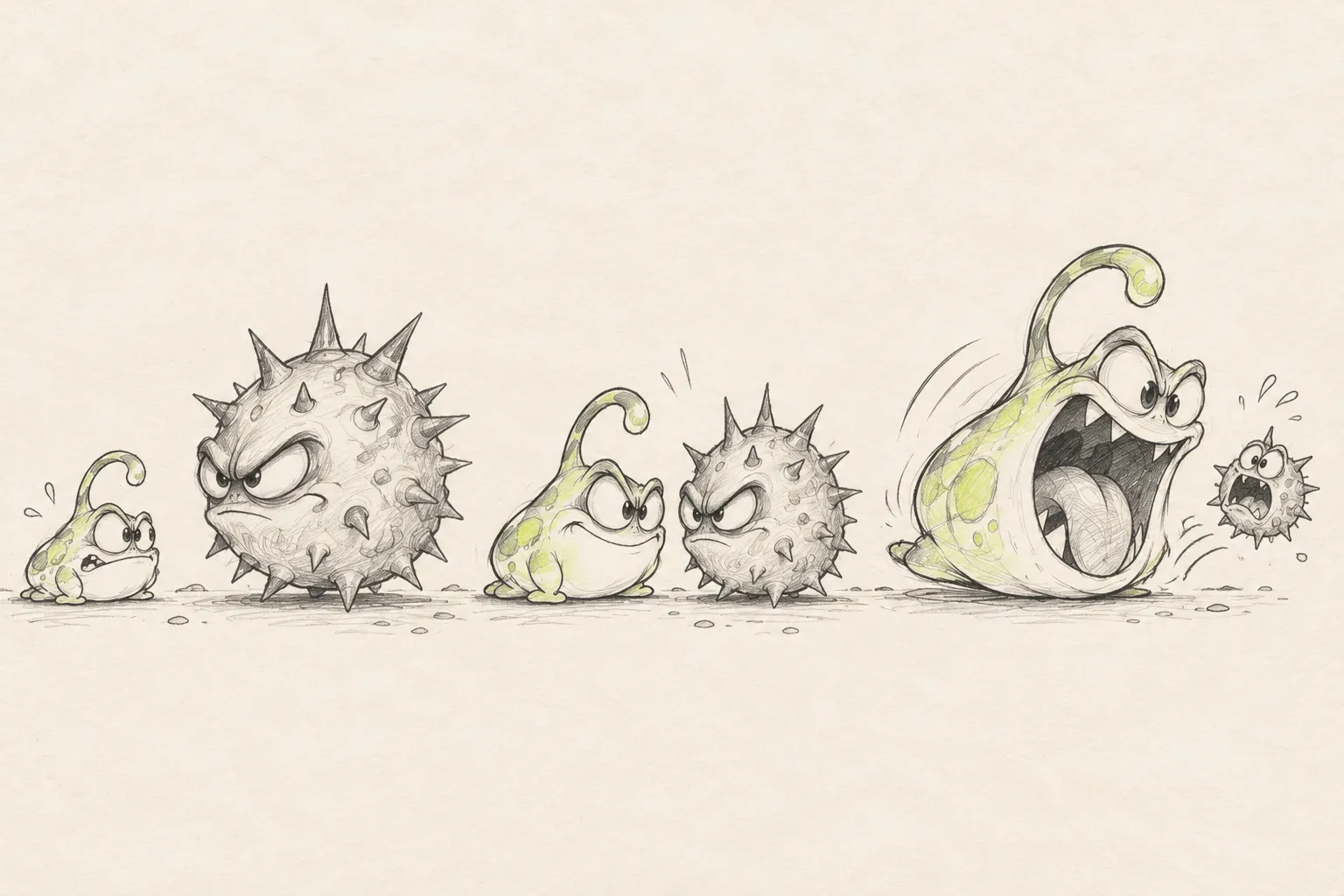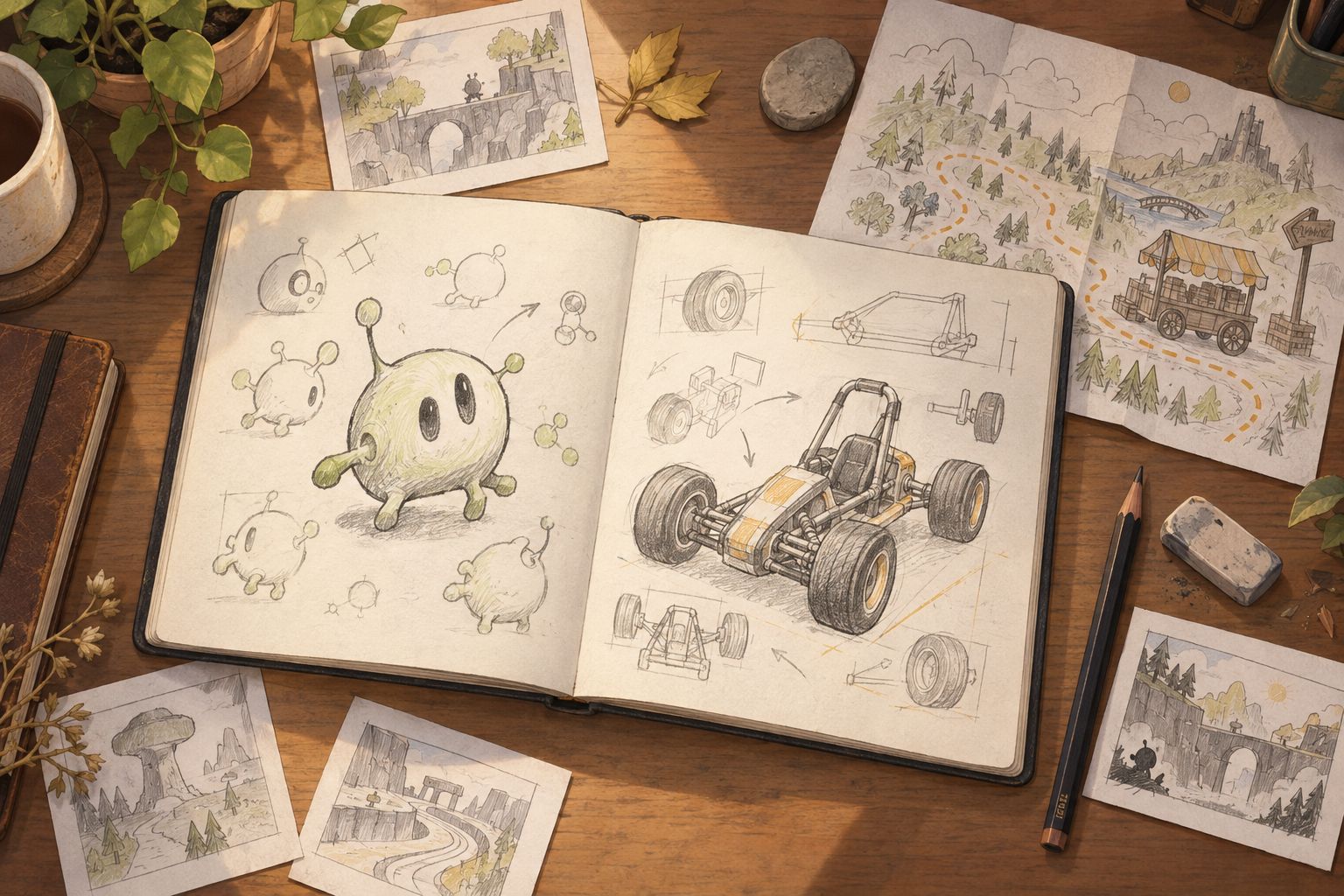
Choosing an engine is only the start. A project accumulates scenes, tools, habits, and decisions that have been saved. That makes the terms of use part of a long-term working relationship. We want to understand what our game is built on and how confidently we can plan further work.
Unity’s Runtime Fee damaged our trust. That’s Almost GG’s position, not a claim that every developer should reach the same conclusion. We also need to be precise about what happened: the disputed fee was canceled.
What happened with Unity
Unity announced the cancellation of the Runtime Fee on September 12, 2024. According to its official announcement, the fee doesn’t apply to games on Unity 6 or other versions. So it would be wrong to describe it as a current term today. Official Unity update.
But canceling a term and restoring trust are two different things. For us, the episode was a reason to pay closer attention to how much a project depends on a vendor’s decisions. When choosing a foundation for our own games, we want to think about the next mechanic, not about what rules might unexpectedly change around it.
Unreal is a separate question
Unreal Engine isn’t part of the Runtime Fee story. For our current needs, its complexity and range of capabilities seem excessive. We prefer a process that makes it convenient to work with small, verifiable parts of our own games. A different game and team may quite reasonably choose differently.
The payment model is different too. Standard terms for games provide for a 5% royalty on a product’s applicable revenue above the first $1 million; exceptions and reduced-rate programs are available. You can’t reduce that to “paying for every indie game from day one.” We’ll check the terms again before a commercial release. Unreal Engine licensing.
What we choose
We prefer an open tool, clear terms, and the ability to keep our working version under our control. That’s one reason we chose Godot, alongside how the development process itself works. Being free is useful, but it doesn’t replace convenience, verifiability, or a good fit for the project.
We don’t want to turn the workshop into a logo contest. It’s more interesting to show what the tools we chose let us do: check a purchase, replay a fight, prepare a model, find a bug, and release a fix. Trust in a tool means spending less energy worrying about its foundations and more on the games we chose it for.