Last Road began with a simple wish: to spend an evening playing a good economic strategy game. Not to study a tidy table of market niches. We wanted trade, growth, and that particular pleasure when a shipment you planned finally turns into a good deal. Then another one. Then you realize the evening is over.
Trade Empires came to mind first. That old game left us with a love of goods in motion: something is available in one place, scarce in another, and you can connect the two. But We wanted more atmosphere, memorable people, and stories around the economy. We wanted a journey to leave behind more than a changed balance.
Trade with a human face
Different memories came together in that wish. Corsairs and Sid Meier’s Pirates! brought the journey and the sense of having a history of your own. Anno offered the pleasure of watching an economy gradually come together. We were drawn to the process itself: find an opportunity, prepare, grow, and see what’s still missing.
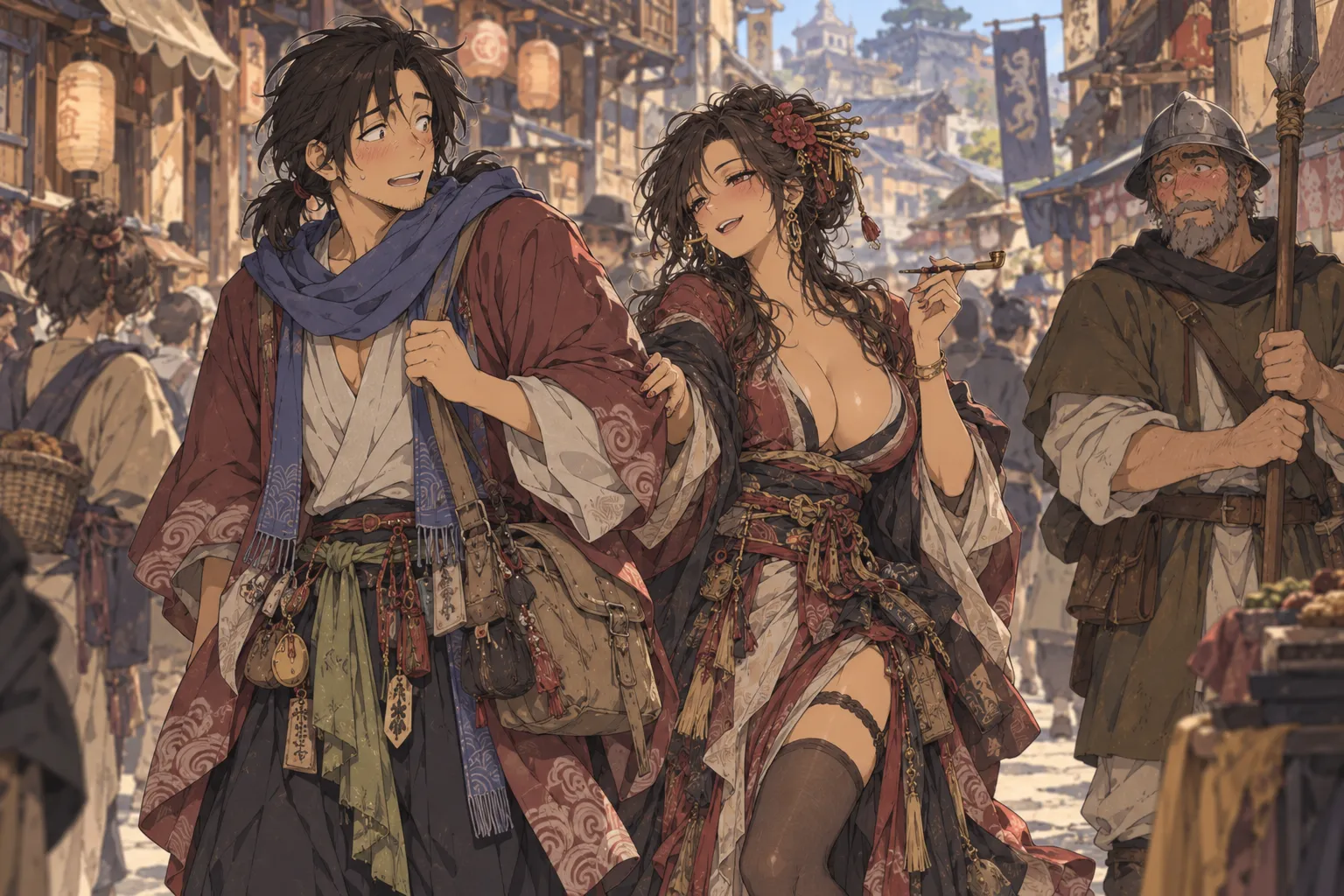
Then we remembered Spice and Wolf. It helped clarify the kind of presentation We wanted: trade with faces, conversations, the mood of the road, and people with their own interests. That pointed us toward an anime-inspired style, guilds, and a fantasy world with events and a living economy.
These are inspirations behind our own idea. Last Road doesn’t borrow another work’s characters or story. We want our own trading house and our own reasons to linger at the market, even though you were absolutely sure that morning you’d head home.
One more deal
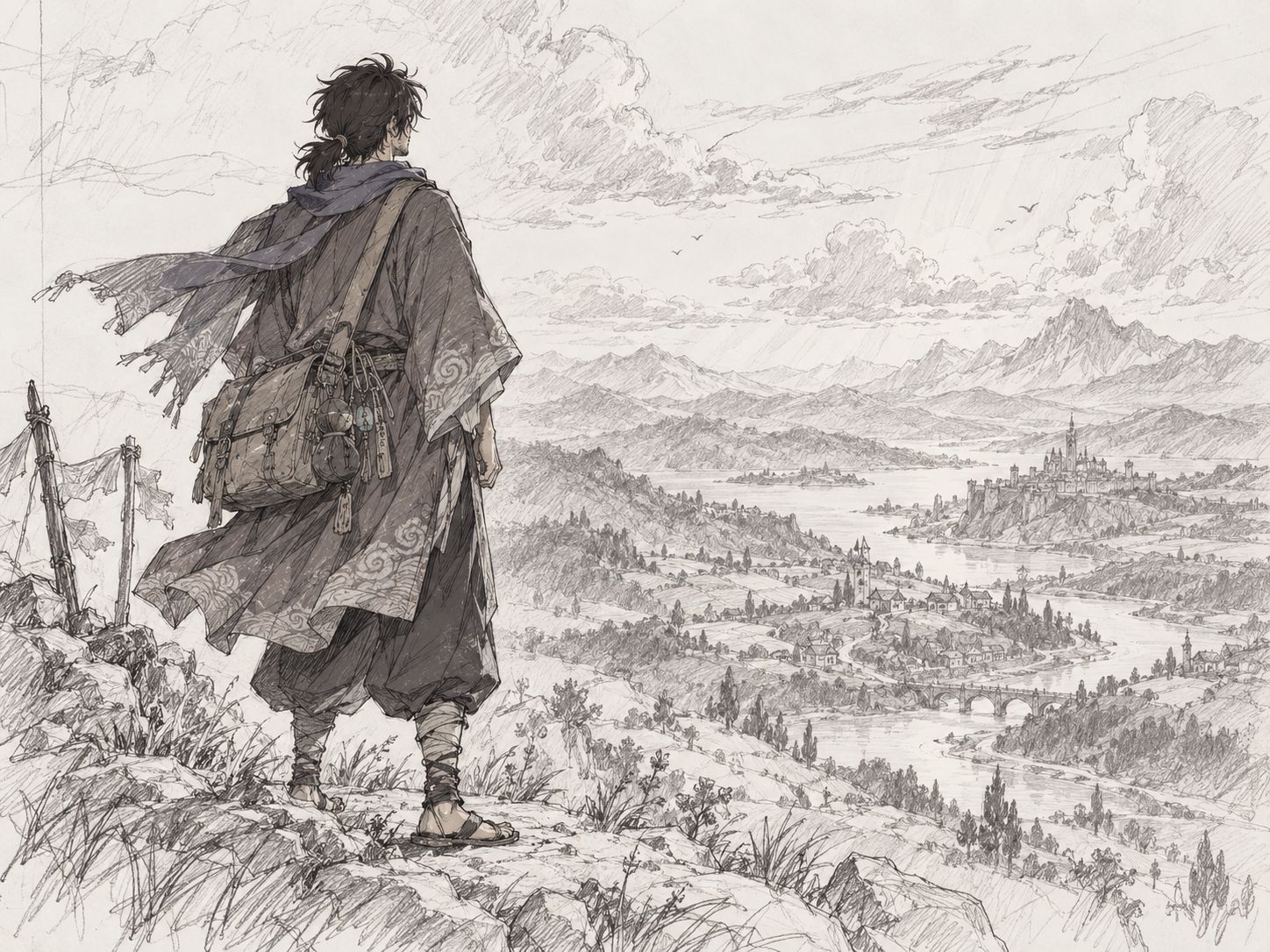
That fantasy led to a concrete gameplay question: do you return with what you’ve earned, or keep traveling? A small caravan can’t carry everything forever. Money, space, and guards are limited. The road costs money to travel, and a successful delivery changes the market.
That last part matters. If you bring in goods that were scarce, the market has more of them. The next shipment may earn less. A good deal doesn’t have to remain a secret recipe forever. It can do its job and send you looking for the next opportunity.
Combat in this kind of game comes from transporting goods. We’re more interested in the decision to take a dangerous road than in a separate career as a bandit hunter. So preparation, cargo, and route all feed into what happens when you meet a threat. The trading post gives those choices somewhere to lead: a place to return to and a lasting history.
The economy got further than the picture
We’ve made substantial progress on the rules and the foundation of the prototype. Many of the planned mechanics already work. But the visual side of the project has been harder than we hoped. We tried different graphics, characters, and interfaces. The sketches didn’t impress us, and some looked frankly bad. We could explain why the market set a price and still have no world we wanted to stay in.
For a game meant to draw you in for an evening after work, that isn’t a minor cosmetic issue. Atmosphere was part of the original wish. If the trading house exists only in formulas, half the reason for making Last Road still hasn’t reached the screen.
That’s the gap we’re working on now. The MVP foundation has advanced substantially, but that doesn’t mean the entire MVP has been accepted and finished. Rule testing continues separately from the art work. The visual direction has narrowed to a top-down isometric view, and the trading post remains an important milestone.
In the next chapters, we’ll show what already keeps the caravan on the road: preparation, the market, guards, and the return trip. Then we’ll come back to the search for a visual identity. We wanted to make a game you could settle into for a quiet evening. Along the way, we found a familiar property of trade: there always seems to be just one more deal between you and a good result. Or one more version of the interface.