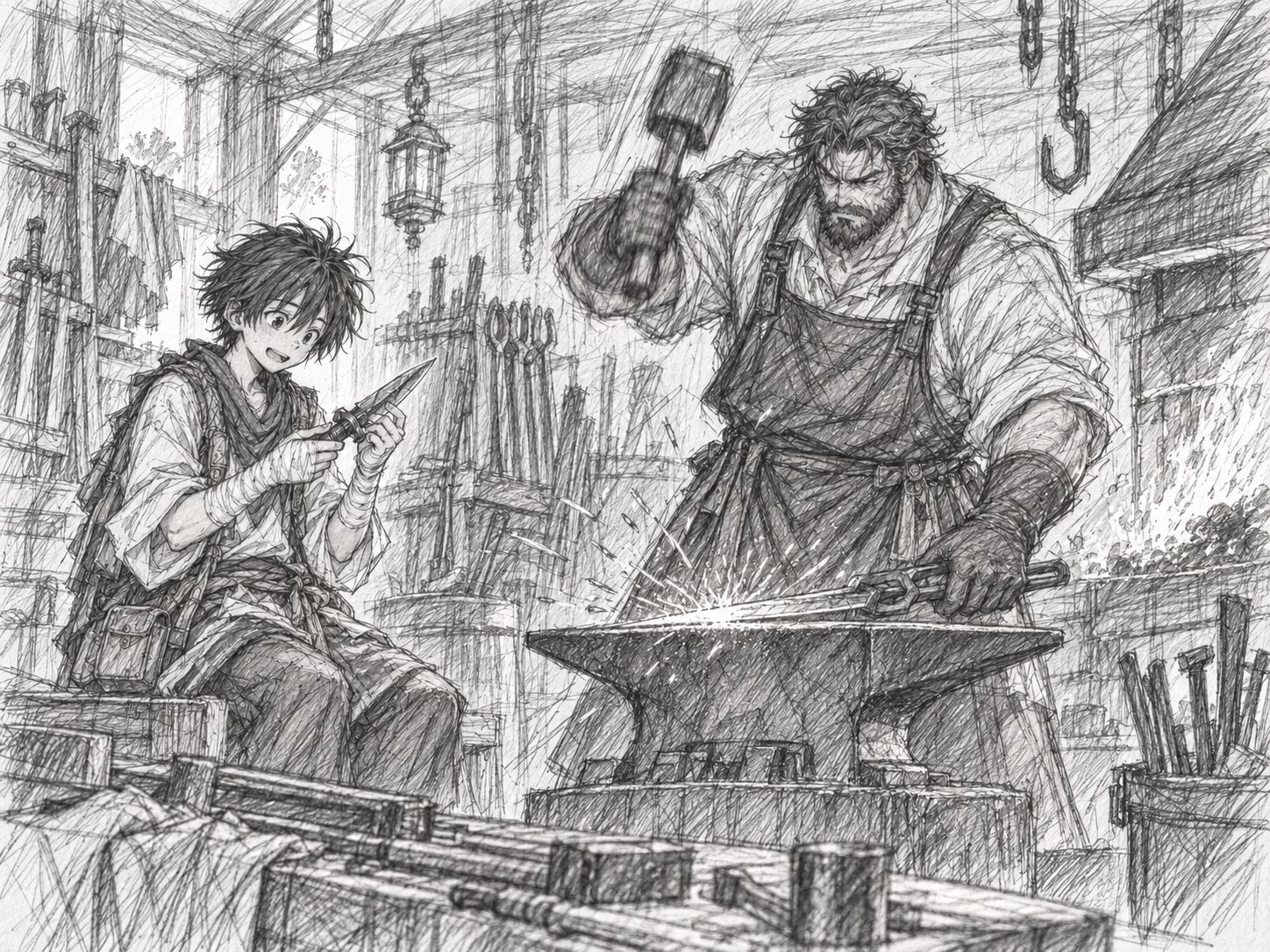
The trading post in Last Road matters even before it has its final, beautiful courtyard. It’s where a journey becomes a result: the trading loop ends, the outcome is recorded, and the history of the house continues. Without a place to return to, the risk on the road can feel like movement without a destination.
Between expeditions, the base’s unlocks, the house’s influence, the captain, and the chronicle persist. Your current cargo and money, along with the region’s markets, don’t carry over. The next trip begins under its own conditions, while the previous one becomes part of the lasting history.
Unlocking options
The project’s base has three areas: the carriers’ yard, the workshop, and the office. They unlock transport, modules, and additional starting-purchase options. An unlock doesn’t give you free cargo or make the next expedition free of costs.
This is a finite set of options. We’re not planning an endless ladder of identical percentage boosts that you have to climb. As the base develops, routes, results, and the chronicle remain. You gain more ways to assemble a caravan while still paying for what you choose.
A name beside the route
The captain gives each expedition a personal connection. They have a name, a portrait, and a record in the history, but this version doesn’t have a separate tree of combat bonuses. Successful returns add to the record; capture closes it as the story of a lost caravan.
That lets a journey be remembered without another mandatory character-progression system. You come to know the name attached to your decisions. A veteran mark records the returns they’ve lived through; it doesn’t quietly change the math of trade.
The courtyard and its promises
The trading post’s art has its own status. Concept art shows the mood and direction; the prototype determines which actions are ready in the game. We don’t present a beautiful courtyard illustration as proof that the entire scene has already been built and approved in the game.
Returning matters in the rules too: ending an expedition in time secures its result. Next, we want the look of the house to support that memory. The goal is more than opening a menu after the road; it’s to see a place that connects separate trips. It might hold a successful trade, help given to a settlement, or the unhappy choice to push too far. That last one deserves a record too—especially when the next captain thinks there’s only one more convenient market nearby.